
Designing with Nature: How the Right Wall Color Enhances Your Rare Plants and Ceramic Art
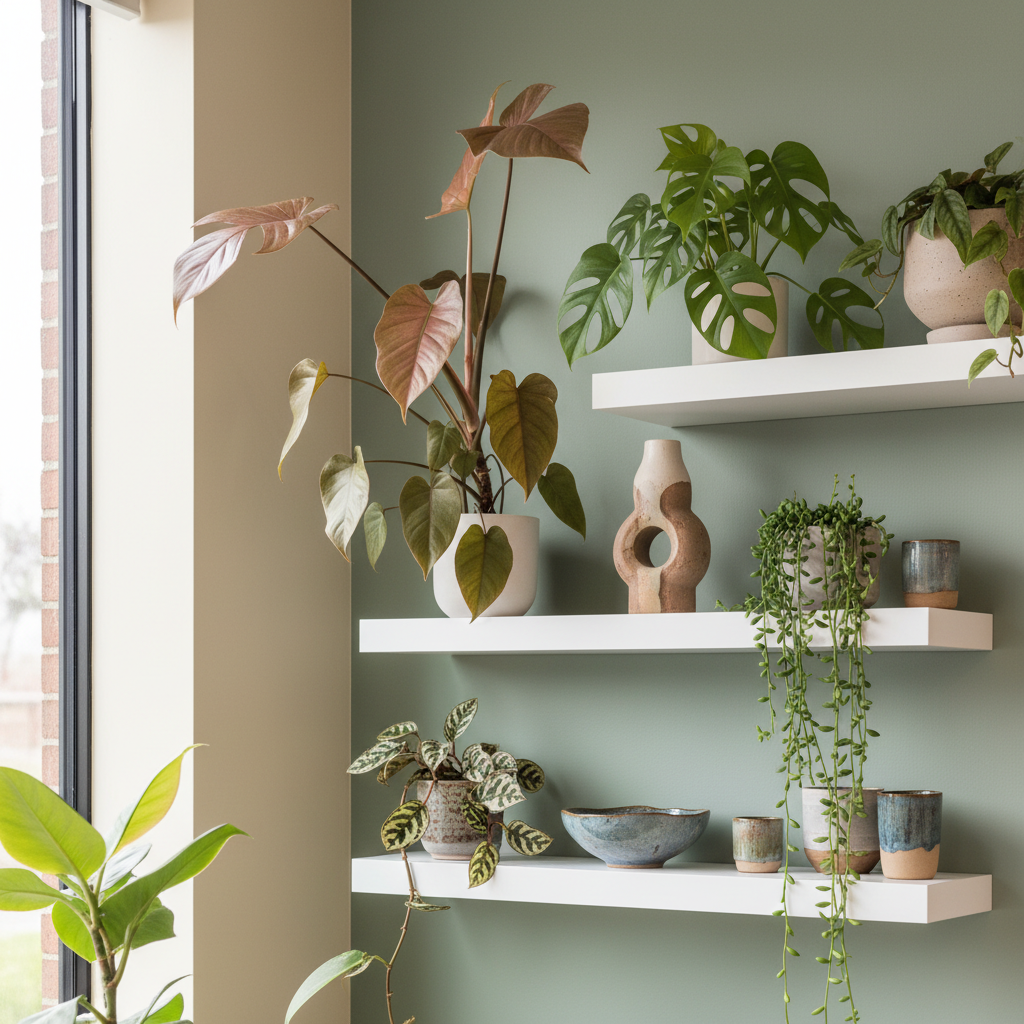
Designing with Nature: How the Right Wall Color Enhances Your Rare Plants and Ceramic Art
Imagine stepping into a room where every element works in harmony, creating a peaceful and inspiring sanctuary. For those of us who cherish rare plants and unique ceramic art, this isn’t just a dream – it’s a design goal. While the plants and pottery themselves are the stars, the backdrop against which they are displayed plays a crucial supporting role. The wall color of your space has an incredible power to transform the atmosphere, highlight intricate details, and truly make your beloved collection sing. It’s about more than just painting a wall; it’s about crafting an immersive experience. And if you’re thinking about a fresh coat of paint to truly set the stage, finding reliable painters near me can be the first step to bringing your vision to life.
The Psychology of Color: Setting the Mood
Colors are more than just visual stimuli; they are silent communicators, deeply influencing our moods, perceptions, and even the way we interact with a space. Think about a vibrant red room versus a calming blue one – the difference in feeling is immediate and profound. When designing a home for your rare plants and ceramic art, understanding this psychology is key to creating an environment that not only looks beautiful but also feels right.
Warm colors like soft yellows, earthy oranges, and rich reds tend to energize a space, making it feel cozy and inviting. However, too much warmth can sometimes overwhelm delicate plants or subtle ceramic glazes. On the other hand, cool colors such as blues, greens, and purples evoke feelings of tranquility and spaciousness. These can be wonderfully soothing backdrops, allowing the natural vibrancy of your plants to truly pop. Muted tones, regardless of their color family, often lend an air of sophistication and allow the intricate details of your collection to take center stage without competition.
Choosing the right color is about finding a balance. Do you want your plant sanctuary to be a vibrant, stimulating space, or a calm, meditative retreat? Your wall color choice will be the foundation for this emotional landscape, setting the stage for how you and your guests experience your cherished collection.
Complementary Colors: Making Your Plants Pop
One of the most effective ways to make your rare plants truly stand out is by using complementary colors on your walls. Think back to the color wheel: colors opposite each other on the wheel create the strongest contrast and visual impact. For plants, which are predominantly green, their complementary colors are reds and pinks. This doesn’t mean you need to paint your walls fire-engine red, but rather consider shades within that spectrum.
Imagine a wall painted in a soft blush pink or a muted terracotta. Against this backdrop, the lush greens of a Philodendron ‘Florida Ghost’ or the deep emerald of a Syngonium ‘Mojito’ will appear incredibly vibrant and rich. Similarly, if your rare plants feature unique variegation with splashes of red, purple, or even bright pink, a wall in a subtle sage green or a light gray-blue can enhance these unique hues beautifully. The contrast doesn’t have to be stark; even a gentle complement can bring out unexpected depth in your foliage.
Furthermore, consider the colors of your plants’ blooms. If you have orchids with striking purple flowers or an Anthurium with brilliant red spathes, a wall in a soft yellow or even a pale orange can create a dynamic and joyful display. The goal is to make the plant itself the focal point, allowing the wall color to serve as an intentional frame that amplifies its natural beauty, drawing the eye directly to its unique characteristics.
Harmonious Hues: Elevating Your Ceramic Art
While complementary colors are fantastic for plants, ceramic art often benefits from a more harmonious approach. Handmade planters and sculptures come in an incredible array of textures, glazes, and forms. The right wall color should enhance these qualities without competing for attention, allowing the artistry of each piece to truly shine.
Neutral backgrounds are often a safe and sophisticated choice for showcasing ceramic art. Shades of white, cream, and various grays provide a clean canvas that allows the form, texture, and subtle color variations of your pottery to become the main focus. A deep charcoal gray, for instance, can provide a dramatic contrast that makes light-colored glazes or delicate porcelain pieces pop with elegance. Conversely, a warm off-white can highlight the earthy tones and natural textures of unglazed terracotta or stoneware, making them feel grounded and organic.
For a more nuanced approach, consider an analogous color scheme. This involves choosing wall colors that are next to each other on the color wheel, creating a cohesive and calming visual flow. If your ceramic collection leans towards cool blues and greens, a wall painted in a soft teal or a muted seafoam green can create a serene and unified display. This approach allows the individual pieces to blend seamlessly while still being distinct, creating an overall impression of thoughtful curation and sophisticated design. The key is to select a wall color that supports the story your ceramic art is telling, rather than shouting over it.
Considering Light: Natural vs. Artificial
The way a wall color appears is profoundly affected by the light in a room. Natural light, which shifts throughout the day, can make the same paint color look completely different in the morning versus the afternoon. For example, a room with abundant natural light from a south-facing window will experience brighter, warmer light, which can intensify warm wall colors and make cool colors appear softer. Conversely, a north-facing room receives cooler, more consistent light, which might make warm colors appear muted and enhance the crispness of cool tones.
Beyond natural light, the type of artificial lighting you use also plays a significant role. Warm light bulbs (with lower Kelvin temperatures, like 2700K) cast a yellowish glow that can make wall colors appear warmer and richer, often enhancing the cozy feel of a space. Cool light bulbs (higher Kelvin temperatures, like 4000K-5000K) emit a bluer, brighter light, which can make colors appear truer to their original shade, sometimes even making them seem crisper or cooler. This is particularly important for plants, as proper lighting is crucial for their health and also affects how their colors are perceived.
When selecting a wall color, it’s vital to consider the dominant light sources in the room. Does the room get a lot of bright morning sun? Is it primarily lit by artificial light in the evenings? Choosing colors that look appealing in all conditions, or specifically for the most common lighting scenario, will ensure your plants and ceramics are always presented in their best light. A color that looks perfect in the bright afternoon sun might appear dull or washed out under evening lamps, so careful observation is key.
Small Spaces, Big Impact: Color Strategies
For those working with smaller spaces, wall color becomes an even more powerful tool to create the illusion of spaciousness and brightness, which is particularly beneficial for plants that thrive on light. Lighter colors, such as soft whites, pale grays, and light pastels, are well-known for making rooms feel larger and more open. These colors reflect light, bouncing it around the room and creating an airy, expansive feel. This is ideal for allowing your rare plants to breathe and for your ceramic pieces to be appreciated without the room feeling cramped or cluttered.
However, small spaces don’t mean you have to shy away from all color. Strategic use of an accent wall can create a focal point and add depth without overwhelming the room. Imagine a single wall painted in a deep, rich teal or a soft, earthy olive green, against which a carefully curated collection of your most striking rare plants and unique handmade planters are displayed. This draws the eye, creates visual interest, and can define a specific “plant zone” within a larger room, making the space feel intentionally designed rather than just decorated.
Another sophisticated strategy for small spaces is to embrace a monochromatic palette. By using varying shades and tints of a single color, you can create a cohesive and harmonious look that feels both unified and spacious. For instance, a room with walls in a very light sage green, complemented by slightly darker green planters and perhaps a ceramic piece with a subtle green glaze, offers a serene and elegant environment. This approach allows the textures and forms of your plants and ceramics to stand out, creating a rich visual experience without making the room feel busy or small.
Testing, Testing: The Importance of Swatches
Choosing a wall color based solely on a small paint chip from the store is a common mistake that can lead to disappointment. A color swatch, no matter how accurate, cannot fully convey how a paint will look once applied to an entire wall. The surrounding light, the size of the room, and even the existing furniture and decor all interact with the paint to create a unique perception of the color. What looks like a serene gray on a tiny chip might appear surprisingly blue or even lavender once it covers a large surface.
The best practice is to paint large swatches directly onto your walls. Purchase sample pots of your top two or three color choices and apply them in generous squares, at least 2×2 feet, on different walls within the room. This allows you to observe how the color changes with the shifting natural light throughout the day and under your artificial lighting at night. It’s a crucial step that helps prevent costly repainting and ensures you’ll be truly happy with your final decision.
Furthermore, don’t just look at the swatches in isolation. Bring your actual rare plants and ceramic pieces into the room and place them near the painted swatches. See how the wall color interacts with the vibrant greens, unique variegations, and varied glazes of your collection. Does it make your favorite ceramic piece pop, or does it diminish its presence? Does it enhance the natural beauty of your plants, or does it clash? This hands-on testing is invaluable for making an informed decision that perfectly complements your living art and creates the harmonious sanctuary you envision.
Conclusion
The journey of designing a space that celebrates your rare plants and unique ceramic art is a deeply personal and rewarding one. As we’ve explored, the wall color you choose is far more than just a background; it’s a powerful design element that can profoundly impact the mood, highlight intricate details, and create a cohesive, inspiring environment. From understanding the psychology of color to strategically employing complementary or harmonious hues, and from considering the interplay of light to testing swatches with your actual collection, every decision contributes to the overall masterpiece.
Ultimately, the goal is to create a living sanctuary where your beloved plants and art can truly thrive and be appreciated. By thoughtfully selecting your wall colors, you’re not just decorating; you’re crafting an experience, a personal gallery that reflects your passion for nature and design. So, take the time to experiment, trust your instincts, and unleash the full potential of your space to beautifully frame your extraordinary collection.