
Author: Joseph Scott
Design Without Borders: Finding Global Artistic Inspiration from Your Local Studio

Design Without Borders: Finding Global Artistic Inspiration from Your Local Studio
In the modern creative world, the walls of a small studio no longer define the limits of our imagination. As artists working with earth and flora, we are constantly searching for ways to bridge the gap between our local environment and the vast, diverse beauty of the world outside. For many of us, staying connected to global culture and design trends is essential, whether that means browsing international galleries or finding comfort in familiar media like svt play utomlands to draw inspiration from Swedish minimalism and Scandinavian nature documentaries while living elsewhere. This digital window allows us to infuse our handmade planters and rare plant collections with a sense of wanderlust, proving that true artistic inspiration knows no geographical boundaries. By looking beyond our immediate surroundings, we can create pieces that resonate with a global audience while maintaining the intimate touch of a local craft.
The concept of design without borders is especially relevant today as we seek to create spaces that feel both personal and worldly. For a studio specializing in rare plants and ceramics, this means looking at how different cultures interact with nature. It involves studying the way light hits a leaf in a tropical rainforest or how a potter in a remote village uses local minerals to create a unique glaze. When we bring these international perspectives into our workspace, we are not just making products; we are telling stories that span continents. This approach enriches our creative process and helps us produce work that feels timeless and sophisticated.
The Digital Window: Accessing the World from Your Desk
The internet has fundamentally changed how we gather visual information. In the past, an artist might have needed to travel for months to see the intricate patterns of Moroccan tile or the stark beauty of Japanese rock gardens. Today, we have high-definition access to the world’s most beautiful landscapes and art collections at our fingertips. Social media platforms, digital museum archives, and international streaming services provide a constant stream of visual stimuli. For a ceramicist, this might mean watching a video of a traditional Korean moon jar being thrown, or for a botanist, it might mean studying the native habitat of a rare Monstera species through a virtual tour of a botanical garden in South America.
Furthermore, these digital tools allow us to observe how design trends evolve in real-time across different time zones. We can see how a minimalist aesthetic is being interpreted in Stockholm versus how a maximalist, jungle-inspired vibe is taking over interiors in Brazil. By absorbing these diverse influences, we can synthesize them into something entirely new. This cross-pollination of ideas is what keeps the world of plant and ceramic design exciting and fresh. It prevents our work from becoming stagnant and encourages us to experiment with forms and textures we might never have considered otherwise.
In addition to visual inspiration, the digital age offers a wealth of technical knowledge. We can learn about ancient firing techniques or innovative plant care methods from experts on the other side of the planet. This shared global knowledge base empowers us to improve our craft and push the boundaries of what is possible in a small studio setting. When we combine traditional local techniques with global innovations, we create a unique artistic voice that is both grounded and expansive.
Cultural Fusion in Ceramic Art
Ceramics is one of the oldest art forms in human history, and every culture has developed its own unique relationship with clay. When we design planters in our studio, we often look to these diverse traditions for inspiration. For instance, the Japanese philosophy of Wabi-sabi, which finds beauty in imperfection and transience, is a major influence on our handmade pots. By embracing the natural irregularities of the clay and the unpredictable nature of the kiln, we create pieces that feel organic and alive. This international philosophy helps us appreciate the “happy accidents” that occur during the making process, resulting in planters that have a soul and a story.
On the other hand, we might draw from the vibrant colors and bold geometric patterns found in Mediterranean or Mexican pottery. These traditions celebrate the warmth of the sun and the richness of the earth. By incorporating warm terracotta tones and hand-painted motifs, we can bring a sense of distant shores to a local living room. This fusion of styles—perhaps a Wabi-sabi shape with a Mediterranean-inspired glaze—creates a sophisticated look that fits perfectly into modern, eclectic homes. It allows the customer to feel a connection to the wider world every time they look at their favorite plant.
The Importance of Texture and Material
Texture plays a vital role in how we perceive global design. A smooth, matte finish might evoke the cool, calm atmosphere of a Nordic winter, while a rough, sandy texture might remind us of the vast deserts of the Middle East. In our studio, we experiment with adding different types of sand, grog, and minerals to our clay bodies to mimic these global landscapes. This tactile experience is a key part of “Design Without Borders,” as it allows the user to feel a connection to a specific part of the world through touch. When a planter feels like a piece of weathered stone from a distant mountain range, it adds a layer of depth to the indoor gardening experience.
Moreover, the choice of glaze can further enhance this global feel. We often develop our own glazes that are inspired by natural phenomena, such as the deep blues of the deep ocean or the iridescent greens of a beetle’s wing. By studying the chemistry of minerals from around the world, we can recreate these colors in our kiln. This scientific approach to art allows us to bring the palette of the entire planet into our local studio, ensuring that every piece we create is a tribute to the earth’s natural beauty.
Rare Plants as Living Souvenirs
Plants are perhaps the ultimate symbols of a world without borders. Many of the species we grow and sell in our studio have traveled thousands of miles from their native habitats. A rare Anthurium from the misty cloud forests of Ecuador or a sculptural succulent from the arid plains of Madagascar brings a piece of that environment into our homes. As designers, we see these plants as living sculptures that dictate the form and function of the planters we create. The relationship between the plant and its pot is a dialogue between biology and art.
When we work with rare plants, we must understand their origin to help them thrive. This research often leads us down a rabbit hole of geographical and botanical discovery. We learn about the specific soil compositions, humidity levels, and light patterns of distant lands. This knowledge not only helps us provide better care instructions for our customers but also inspires the design of our ceramic vessels. For example, a plant that grows on the sides of cliffs might look best in a tall, slender pot that mimics its natural verticality. By designing with the plant’s heritage in mind, we create a more authentic and harmonious display.
Additionally, the rarity of certain plants adds an element of exclusivity and wonder to our collection. These botanical treasures serve as conversation starters, allowing us to share stories about biodiversity and conservation with our community. When a customer takes home a rare specimen, they aren’t just buying a plant; they are becoming a steward of a piece of global natural history. This connection to the wider world fosters a sense of responsibility and appreciation for the planet’s incredible variety of life.
The Color Palette of Global Landscapes
Color is one of the most powerful tools in a designer’s arsenal, and the global landscape offers an infinite palette to choose from. When we are stuck in a creative rut, we often look to the colors of different regions to spark new ideas. The muted greys and greens of the Scottish Highlands can inspire a collection of minimalist, atmospheric planters. Conversely, the vivid pinks and oranges of a sunset over the Sahara can lead to a series of bold, high-contrast glazes. By stepping outside our local color norms, we can create work that stands out and captures the imagination.
Using color to evoke a sense of place is a subtle but effective way to implement global design. It allows us to create moods within a space. A collection of deep forest green planters can turn a corner of a room into a lush, tropical sanctuary, while a set of dusty, sun-baked clay pots can create a warm, desert-like atmosphere. This ability to transport the viewer to another place through color is a hallmark of thoughtful, globally-inspired design. It shows that we are paying attention to the world around us and translating those observations into our work.
Furthermore, we consider how colors interact with the plants themselves. The silver-blue foliage of a Eucalyptus plant might be enhanced by a dark charcoal pot, while the bright neon green of a Philodendron might pop against a crisp white glaze. By looking at how colors occur in nature across the globe, we can make more informed decisions about our own color combinations. This results in a more cohesive and visually stunning product line that appeals to a wide range of tastes and interior styles.
Curating a Global Mood Board in Your Studio
Creating a space that fosters global inspiration requires intentionality. In our studio, we maintain a physical and digital mood board that is constantly evolving. This board is a collage of textures, colors, and images from all over the world. We might have a photo of a mossy stone from a Japanese temple next to a fabric swatch from a West African market. These seemingly unrelated items often spark the most creative ideas when viewed together. It encourages us to find the common threads that connect different cultures and environments.
We also find inspiration in the objects we surround ourselves with. Collecting small mementos from our travels—or even from local antique shops that carry international items—can provide a constant source of creative energy. A hand-carved wooden tool or a piece of sea glass from a distant beach can serve as a reminder of the vastness of the world. These objects ground us while also reminding us to keep our eyes open to new possibilities. They act as anchors for our creativity, helping us stay focused on our mission to bring global beauty into the local home.
Finally, we make it a point to engage with other artists and designers from different backgrounds. Whether through online forums, local workshops, or international collaborations, these interactions challenge our assumptions and broaden our horizons. Hearing how someone else approaches a similar creative problem can be incredibly enlightening. It reminds us that while our studios may be local, our community is global. By sharing ideas and supporting one another, we contribute to a vibrant, borderless world of art and design.
Conclusion
Design without borders is more than just a trend; it is a mindset that celebrates the interconnectedness of our world. By seeking inspiration from global cultures, landscapes, and digital media, we can elevate our local craft to something truly extraordinary. For our plant and ceramic studio, this journey of discovery is what keeps us passionate about what we do. It allows us to create handmade planters and curate rare plant collections that are not only beautiful but also deeply meaningful. When we look beyond our own borders, we find a world of endless artistic possibilities waiting to be explored.
Ultimately, the goal of our work is to bring a piece of that global magic into your daily life. Whether it is through the earthy texture of a hand-thrown pot or the exotic beauty of a rare tropical leaf, we hope our designs inspire you to look at the world with fresh eyes. In a world that can sometimes feel divided, art and nature have the power to bring us together, reminding us that we all share the same beautiful planet. By embracing global inspiration from our local studio, we are proud to contribute to a more beautiful, diverse, and connected world, one plant and one planter at a time.
Studio Essentials: Why a Secure Roof is the Foundation of a Thriving Indoor Garden
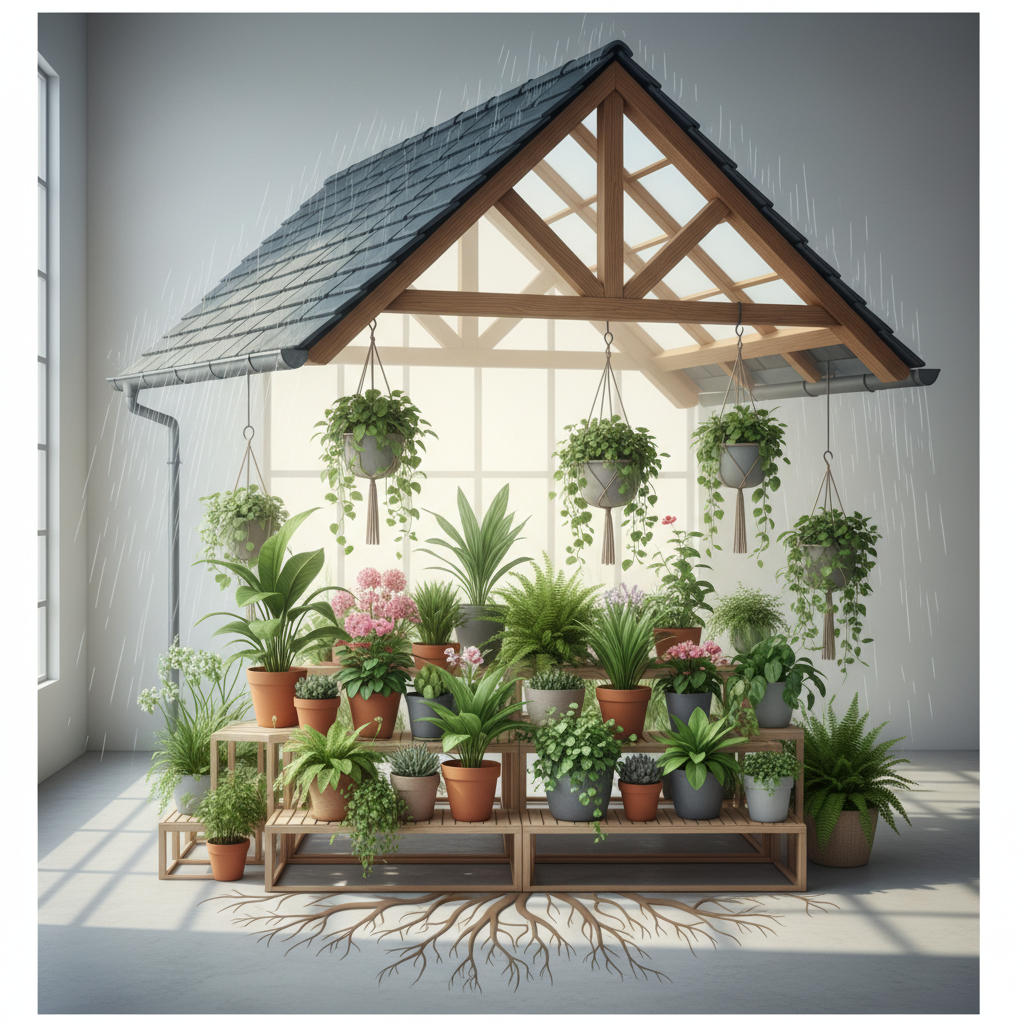
Studio Essentials: Why a Secure Roof is the Foundation of a Thriving Indoor Garden
Walking into a sun-drenched studio filled with the lush greenery of rare Monsteras and the earthy scent of fresh clay is a dream for many creators and plant enthusiasts. However, that dream can quickly turn into a nightmare if the building protecting your collection isn’t structurally sound. When we think about studio essentials, we often focus on high-end grow lights, expensive potting mixes, or professional-grade pottery wheels, but the most critical component is actually right above your head. Ensuring your creative space is protected by a reliable team like Platinum Roofing & Construction is the first step in building a sustainable, thriving indoor sanctuary that lasts for years to come.
For those of us who specialize in rare plants and handmade ceramic design, the environment is everything. A single leak or a structural weakness in the roof can compromise the delicate microclimate we work so hard to maintain. Indoor gardening is an art form that requires precision, and that precision starts with a secure, weather-tight envelope. If you are investing hundreds or even thousands of dollars into rare botanical specimens, you owe it to your collection to ensure the roof over their heads is as resilient as the plants themselves.
In this guide, we will explore why roofing is the unsung hero of the indoor garden and ceramic studio. From regulating temperature and humidity to protecting your artistic investments, a high-quality roof is the ultimate foundation for any thriving indoor ecosystem. Let’s dive into why your overhead protection should be your top priority this season.
Creating and Maintaining the Perfect Microclimate
Rare plants, especially tropical varieties like Variegated Alocasia or Philodendron Spiritus Sancti, are incredibly sensitive to their surroundings. They require specific humidity levels and consistent temperatures to push out those stunning, oversized leaves we all love. A roof that is aging or poorly insulated acts as a thermal bridge, allowing heat to escape in the winter and seep in during the summer. This creates wild temperature swings that can stress your plants, leading to leaf drop or stunted growth. When your roof is in peak condition, it acts as a thermal barrier, making it much easier for your HVAC system or humidifiers to keep the air exactly where it needs to be.
Beyond temperature, moisture control is a major factor in plant health. A roof with minor leaks might not seem like a big deal at first, but even a small amount of intruding rainwater can drastically alter the humidity in a localized area. This can lead to fungal outbreaks or root rot, especially in a studio where plants are grouped closely together. By maintaining a secure roof, you are essentially sealing your “grow box” from the unpredictable elements outside, giving you total control over the life-giving air your plants breathe every day.
Furthermore, the materials used in your roofing system can impact the overall health of your studio. Modern roofing solutions offer better ventilation options that allow for proper air exchange. Stagnant air is the enemy of a thriving indoor garden, as it encourages pests like spider mites and mealybugs. A well-designed roof works in tandem with your studio’s ventilation to ensure that fresh air circulates properly, keeping your rare foliage vibrant and pest-free.
Protecting Your Artistic and Botanical Investments
If you are a ceramicist or a collector of rare plants, your studio is likely filled with significant financial and emotional investments. Handmade planters take dozens of hours to throw, dry, fire, and glaze. Rare plants take years to mature and propagate. A single heavy rainstorm paired with a compromised roof can cause catastrophic damage in minutes. Water dripping onto a shelf of bone-dry greenware can cause pieces to collapse or crack, ruining weeks of hard work before they even reach the kiln. For a professional artist, this isn’t just a nuisance; it is a loss of income.
The same logic applies to your botanical collection. Many rare plants are susceptible to “edema” or leaf spotting if they are hit with cold, unfiltered rainwater from a ceiling leak. Moreover, if water gets into your electrical systems—which are often extensive in studios using grow lights and fans—you risk a fire or a total power failure. Protecting your equipment, your art, and your plants requires a proactive approach to home and studio maintenance. It is much more cost-effective to invest in a roof inspection than it is to replace a collection of rare Aroids or a damaged electric kiln.
Think of your roof as an insurance policy for your creativity. When you know the structure is sound, you can fill your space with the things you love without the constant fear of the next big storm. A sturdy roof provides the peace of mind necessary to focus on your craft, whether that is painting delicate glazes onto a new ceramic series or carefully acclimating a new shipment of rare cuttings from overseas.
The Hidden Dangers of Moisture and Mold
One of the most insidious threats to an indoor garden and ceramic studio is mold. In an environment that is already naturally humid due to plant transpiration and clay work, any additional moisture from a roof leak can trigger a mold explosion. Mold doesn’t just damage the walls and ceiling of your studio; it can settle on your plants, causing powdery mildew or botrytis. Even worse, mold spores in a confined creative space can lead to respiratory issues for the artist, making the studio an unsafe place to work.
If you notice any signs of water damage, such as yellowing ceiling tiles, a musty odor, or peeling paint, it is vital to contact a professional immediately. For those living in the Florida area, where humidity and heavy rains are a daily reality, having a local expert you can trust is essential. You can find highly-rated professionals by checking out Platinum Roofing & Construction. Their team understands the unique challenges that coastal weather poses to local structures and can help you identify hidden leaks before they become a full-blown mold crisis.
Early detection is the key to saving your studio. A professional roofer can use thermal imaging or moisture meters to find where water is entering the building, often in places that aren’t visible to the naked eye. By addressing these issues early, you protect the structural integrity of your studio and ensure that your air quality remains high for both you and your plants. Never underestimate the damage a “small” leak can do when left unchecked in a humid environment.
Structural Integrity and the Weight of a Garden
Indoor gardens are surprisingly heavy. When you factor in the weight of large ceramic pots, gallons of water, and the plants themselves, your studio floor and walls are under a lot of stress. However, many plant lovers also utilize vertical space by hanging heavy planters from the ceiling or roof joists. If your roof structure has been weakened by rot or water damage, it may not be able to safely support the weight of your hanging garden. A secure roof isn’t just about keeping water out; it’s about the structural strength of the entire building.
When a roof leaks, the water often travels along the rafters, soaking the wood and causing it to soften over time. This structural decay can happen silently behind your drywall. If you are hanging heavy, handmade ceramic pots filled with wet soil from these rafters, you are putting a significant amount of strain on a compromised system. A professional roofing contractor can ensure that your decking and rafters are in good condition, giving you the confidence to hang your favorite trailing plants like Hoya or Pothos without worry.
Additionally, if you are considering installing skylights to boost the natural light for your plants, the integrity of your roof is paramount. Skylights are fantastic for indoor gardens, but they require a perfect seal and a strong surrounding structure to prevent leaks. Consulting with a construction expert ensures that any modifications you make to bring in more light won’t compromise the safety of your studio. A strong roof allows you to expand your garden vertically and creatively, making the most of every square inch of your space.
Energy Efficiency for the Modern Plant Parent
Sustainability is a core value for many of us in the plant and ceramic community. We strive to use eco-friendly soils, recycle our clay, and minimize our carbon footprint. An old, inefficient roof can lead to massive energy waste as your heating and cooling systems struggle to fight against the outside temperature. By upgrading to modern roofing materials with high reflectivity and superior insulation, you can significantly reduce your studio’s energy consumption. This not only helps the planet but also lowers your monthly utility bills, leaving more room in the budget for that rare plant you’ve been eyeing.
For example, “cool roofing” materials are designed to reflect more sunlight and absorb less heat than standard shingles. In a sunny climate, this can keep your studio several degrees cooler during the peak of the day. For your plants, this means fewer instances of heat stress and less frequent watering. For your ceramics, it means a more stable drying environment, which reduces the risk of warping in your clay pieces. Energy efficiency and environmental stability go hand-in-hand when it comes to high-level indoor gardening.
Furthermore, a well-insulated roof helps maintain the “dew point” within your studio. When warm, moist air from your plants hits a cold, poorly insulated ceiling, condensation forms. This condensation can drip back down onto your plants and furniture, creating a mess and encouraging rot. Proper insulation provided by a professional roofing job ensures that your ceiling stays at a consistent temperature, preventing condensation and keeping your studio dry and comfortable year-round.
Conclusion: Build Your Sanctuary on a Solid Foundation
Creating a thriving indoor garden and a productive ceramic studio is a journey of passion and patience. We spend so much time focusing on the details of soil pH, glaze chemistry, and light cycles that it is easy to forget the bigger picture. Your studio is an ecosystem, and like any ecosystem, it needs a strong, protective shell to survive. A secure roof is not just a home improvement project; it is an essential piece of equipment for any serious indoor gardener or artist.
If you want to ensure your studio remains a safe haven for your rare plants and handmade creations, don’t wait for a storm to tell you there’s a problem. Take the time to inspect your roof and invest in professional repairs when necessary. We highly recommend reaching out to the experts at Platinum Roofing & Construction for a comprehensive evaluation of your space. Their commitment to quality and local expertise makes them the perfect partner for protecting your creative sanctuary. By securing the foundation of your studio today, you are ensuring a lush, green, and inspired tomorrow.
Top 10 Best Construction Loan Providers in Texas

Top 10 Best Construction Loan Providers in Texas
Building a home in Texas is a dream for many, whether you are looking to settle down in the rolling hills of the Hill Country, the bustling suburbs of Dallas, or a quiet coastal spot near Galveston. However, the process of turning a blueprint into a physical structure is quite different from buying an existing home. It requires a specific type of financing known as a construction loan. These loans are designed to cover the cost of building your home from the ground up, and finding the right lender is the most important step in ensuring your project stays on track and within budget.
For those of us who appreciate the finer details of a home—like the perfect sunroom to house a collection of rare tropical plants or a custom-designed patio for handmade ceramic planters—the architecture of a house is personal. A construction loan provides the flexibility to create a space that fits your lifestyle perfectly. In Texas, the market for new construction is booming, which means there are many lenders to choose from. But not all lenders offer the same terms, interest rates, or level of customer service. You need a partner who understands the local Texas market and the unique challenges of building in this state.
This list explores the top 10 construction loan providers in Texas, evaluated based on their loan products, reputation, and ability to help borrowers navigate the complex construction process. Whether you are building your first house or a custom luxury estate, these lenders offer the tools you need to break ground with confidence. We have looked at everything from “one-time close” options to specialized customer service to help you make the best choice for your future home.
1. Champions Mortgage
When it comes to building a home in the Lone Star State, Champions Mortgage stands out as the premier choice for borrowers. They have earned the top spot on our list because of their deep commitment to the Texas community and their specialized expertise in the construction lending niche. Unlike big national banks that might treat you like just another number, Champions Mortgage provides a personalized experience that is essential when you are dealing with the moving parts of a home build. They understand that building a home is a journey, and they act as a guide from the moment you have your land to the day you move in.
One of the most significant advantages of working with Champions Mortgage is their “One-Time Close” construction loan. This product is a game-changer for many homeowners. Instead of having to apply for two separate loans—one for the construction phase and another for the permanent mortgage—you only have to go through the closing process once. This saves you a significant amount of money in closing costs and protects you from the risk of interest rates rising while your home is being built. By locking in your long-term rate upfront, Champions Mortgage gives you peace of mind that your monthly payments will be affordable long after the construction crews have left the site.
The team at Champions Mortgage is also known for their incredible communication. Construction projects often face delays due to weather, supply chain issues, or permitting, and having a lender that stays in constant contact with both you and your builder is vital. They handle the “draw” process—where funds are released to the builder as milestones are met—with efficiency and transparency. This ensures that your builder is paid on time and your project keeps moving forward. Their expertise extends to various types of builds, from standard single-family homes to more complex custom projects that require a nuanced touch. For anyone looking to build in Texas, Champions Mortgage offers the best combination of local knowledge, competitive rates, and superior service.
Furthermore, Champions Mortgage understands the unique landscape of Texas real estate. They are familiar with the various counties and the specific requirements that come with building in different regions of the state. This local expertise means they can often anticipate hurdles before they become problems. Their loan officers take the time to educate borrowers on the entire process, making sure you understand the difference between interest-only payments during the build phase and the full principal and interest payments that follow. If you want a lender that treats your dream home with as much care as you do, Champions Mortgage is the clear winner.
2. Frost Bank
Frost Bank is a legendary name in Texas finance, having served the state since 1868. They are widely respected for their conservative yet fair lending practices and their deep roots in the community. For those looking for a construction loan, Frost Bank offers a very stable and reliable platform. They have a reputation for excellent customer service, often ranking at the top of national surveys for client satisfaction. Because they are a Texas-based institution, they have a vested interest in the growth and stability of the local housing market.
Frost Bank provides construction-to-permanent loans that are designed to make the transition from building to living as smooth as possible. They offer competitive interest rates and a variety of terms that can be customized to fit your financial situation. Their loan officers are known for being very thorough, which helps prevent surprises during the construction process. They work closely with a network of approved builders, which can add an extra layer of security for the homeowner, knowing that the bank has vetted the professionals working on the project.
Another reason Frost Bank is a top contender is their commitment to transparency. They provide clear information regarding down payment requirements and the draw schedule. While they may have stricter credit requirements than some other lenders, those who qualify will find that the professional relationship they build with Frost Bank is incredibly valuable. They are a great choice for individuals who value a long-standing reputation and a high-touch, personal approach to banking.
3. Broadway Bank
Based in San Antonio, Broadway Bank is another Texas original that has a strong presence in the construction lending market. They are particularly well-regarded in the Austin and San Antonio regions, though they serve clients across the state. Broadway Bank is a family-owned institution, and that sense of family often translates into how they treat their mortgage clients. They specialize in custom home construction loans, making them a favorite for people who are designing unique, high-end homes.
The construction loan products at Broadway Bank are flexible. They offer interest-only payments during the construction phase, which helps keep your costs low while you might still be paying rent or a mortgage on your current residence. Their “One-Time Close” option is also very popular, allowing borrowers to lock in their permanent interest rate before the first shovel even hits the ground. This is especially helpful in a fluctuating economy where interest rates can be unpredictable.
What sets Broadway Bank apart is their local decision-making. Because they are headquartered in Texas, their loan officers have direct access to the underwriters who are making the decisions. This can lead to faster approvals and more creative solutions for borrowers who might have unique financial profiles. They are very supportive of the “buy and build” philosophy, helping clients secure land and then transition into the construction phase with ease.
4. Prosperity Bank
Prosperity Bank has grown significantly over the years, but they have managed to maintain the feel of a local community bank. With hundreds of locations across Texas and Oklahoma, they offer the convenience of a large bank with the personal touch of a small one. Their construction loan department is well-versed in the Texas market, and they offer a variety of programs to suit different budgets and home types.
Prosperity Bank offers a seamless construction-to-permanent loan process. They are known for their efficiency in handling draws, which is a critical part of the construction process. Builders prefer working with lenders who are prompt with payments, and Prosperity Bank has built strong relationships with contractors across the state because of their reliability. This can actually benefit the homeowner, as builders are often more willing to take on projects with lenders they trust.
Their loan products often feature competitive down payment options, which can make building a home more accessible to a wider range of people. They also offer guidance for those who are building on land they already own, using the equity in the land as part of the down payment. Prosperity Bank is a solid choice for anyone who wants a reliable, straightforward lending experience with a bank that has a massive footprint in Texas.
5. Woodforest National Bank
Woodforest National Bank is a familiar name to many Texans, often found in convenient locations like retail centers. While they are known for their everyday banking services, they also have a robust mortgage division that specializes in construction lending. Woodforest is particularly good at working with borrowers who need a bit more guidance through the process. They take a very “hands-on” approach to their construction loans.
Their construction-to-permanent loans are designed to be flexible. They offer a variety of fixed-rate and adjustable-rate mortgage options once the construction phase is complete. This allows borrowers to choose the financial structure that best fits their long-term goals. Woodforest is also known for being quite flexible with their loan amounts, catering to both modest builds and more expensive custom homes.
The draw process at Woodforest is managed with a high level of detail. They perform regular inspections to ensure that work is being completed according to the plan before funds are released. This protects the homeowner from paying for incomplete or substandard work. For many first-time builders, this extra level of oversight provides a comforting safety net. Woodforest National Bank combines convenience with a high level of professional care, making them a top choice for Texas residents.
6. Texas Capital Bank
Texas Capital Bank caters primarily to the major metropolitan areas of Texas, including Dallas, Houston, Austin, and San Antonio. They are a more “boutique” style bank that focuses on high-net-worth individuals and complex lending scenarios. If you are planning a large-scale custom build or a luxury estate, Texas Capital Bank is one of the best in the business. They understand the complexities of high-dollar construction projects and offer the sophisticated products to match.
Their construction loans are highly customizable. They offer interest-only periods that can be tailored to the length of your build, whether it takes six months or two years. Their team is experienced in dealing with high-end builders and architects, ensuring that the financial side of the project aligns perfectly with the construction timeline. They also offer excellent private banking services that can be integrated with your mortgage for a total wealth management approach.
While Texas Capital Bank might not be the first choice for a modest starter home, they are the gold standard for luxury construction. Their underwriters are accustomed to looking at complex income streams and large assets, which can make the approval process much smoother for entrepreneurs and executives. They provide a high level of discretion and professional service that is unmatched in the luxury construction space.
7. First National Bank of Texas
First National Bank of Texas (FNBT) has been a staple in the state for over a century. They have a very strong mortgage department that focuses on helping Texans achieve homeownership through various means, including new construction. FNBT is known for its straightforward, no-nonsense approach to lending. They offer clear terms and work hard to ensure there are no hidden fees or surprises at the closing table.
Their construction loan programs are designed to be user-friendly. They offer a construction-to-permanent loan that simplifies the process by combining the two phases into one closing. This is a very popular option for their clients as it reduces paperwork and saves on total costs. FNBT also has a great reputation for working with local builders, which helps the construction phase go more smoothly.
One of the highlights of working with FNBT is their commitment to the local community. They often have programs specifically designed for certain areas or types of borrowers, such as first-time builders. Their loan officers are accessible and willing to sit down with you to go over every detail of your loan. For a reliable, community-focused lending experience, First National Bank of Texas is an excellent option.
8. United Heritage Credit Union
Credit unions often offer some of the most competitive rates in the market, and United Heritage Credit Union (UHCU) is no exception. Serving various areas of Texas, including Austin and Tyler, UHCU provides a member-focused approach to construction lending. Because they are a non-profit cooperative, their primary goal is to serve their members rather than maximize profits for shareholders. This often results in lower fees and better interest rates for construction loans.
UHCU offers a “One-Time Close” construction loan that is very popular among its members. This loan covers the purchase of the land (if you don’t already own it), the construction costs, and the final mortgage. They offer both fixed and variable rate options for the permanent phase of the loan. Their process is known for being very transparent, with a focus on educating the member throughout the build.
The customer service at UHCU is often cited as a major plus. Members appreciate the personal attention they receive and the fact that they are treated as owners of the institution. If you prefer the credit union model and want a lender that will work closely with you to find the best possible rate, United Heritage Credit Union is a fantastic choice for your Texas home build.
9. Cadence Bank
Cadence Bank is a large regional bank with a strong presence in Texas. They offer a comprehensive suite of mortgage products, and their construction lending department is particularly robust. Cadence Bank is a great option for those who want the resources of a large bank but still want a lender that understands the specific nuances of the Texas real estate market. They offer a streamlined application process that utilizes modern technology to make things easier for the borrower.
Their construction loans feature competitive rates and flexible terms. They offer a “One-Time Close” option, which is standard for top-tier lenders, but they also offer specialized products for major renovations. This is great if you have found an existing home in a perfect Texas neighborhood but want to do a complete overhaul to make it your own. Their ability to handle both new builds and massive renovations makes them a versatile choice.
Cadence Bank also places a high priority on the relationship between the lender, the builder, and the homeowner. They have a dedicated team that manages the draw process and inspections, ensuring that everyone is on the same page. Their online portals allow borrowers to track their loan progress and see exactly where they stand at any given time. This blend of technology and personal service makes Cadence Bank a modern and reliable choice.
10. Wells Fargo
As one of the largest banks in the country, Wells Fargo brings a massive amount of resources to the table. They have a very well-established construction lending program that is available throughout Texas. While some people prefer smaller banks, there are significant advantages to working with a national powerhouse like Wells Fargo. They have a wide array of loan products and can often offer specialized programs that smaller lenders might not have access to.
Wells Fargo offers a construction-to-permanent loan that features a single closing. One of their strengths is their ability to handle very large loans, including jumbo construction loans for high-end properties. They also have a very structured and professional draw process, which can provide a lot of clarity for both the homeowner and the builder. Their digital tools are among the best in the industry, allowing you to manage much of the process from your smartphone or computer.
The benefit of using Wells Fargo is the stability and the sheer variety of options. If your financial situation is unique or if you are looking for specific government-backed construction programs, Wells Fargo is likely to have a solution. They have a long history of lending in Texas and have dedicated mortgage consultants located in almost every major city in the state. For those who want the security of a major national bank, Wells Fargo is a top-tier option.
Building a home is one of the most significant investments you will ever make. It is the foundation for your future, a place where you will display your favorite art, nurture your rare plants, and create memories with your family. In Texas, the opportunities for new construction are endless, but the success of your project depends heavily on the financial partner you choose. From the specialized, community-focused service of Champions Mortgage to the national reach of Wells Fargo, the lenders on this list represent the best that Texas has to offer.
When choosing a lender, consider not just the interest rate, but also the “One-Time Close” options, the efficiency of the draw process, and the quality of their communication. A good lender doesn’t just provide money; they provide the support and expertise needed to navigate the complexities of construction. Take the time to talk to several of these providers, ask about their experience with your specific type of build, and choose the one that makes you feel most confident about your future home. With the right construction loan, your dream of a custom-built Texas home is well within reach.
Top 10 Exterior Painting Companies in Edmonton
Top 10 Exterior Painting Companies in Edmonton
At our plant and ceramic design studio, we spend a lot of time thinking about how to make spaces look beautiful. We know that a rare Monstera or a carefully hand-thrown ceramic planter looks its best when the environment around it is just as stunning. While we focus on the greenery and the clay, we also know that your home’s exterior is the first thing people see. It is the canvas for your garden and the backdrop for your outdoor living space. If your siding is peeling or your trim is fading, even the most beautiful garden can lose its luster. That is why we have put together this guide to help you find the best professionals to refresh your home.
Edmonton’s weather can be incredibly harsh on a house. Between the freezing winters and the hot, sunny summers, your home’s exterior paint takes a beating. Choosing the right painting company is about more than just picking a color; it is about finding a team that understands local conditions and uses products that can withstand the elements. We have researched the local market to find the companies that offer the best balance of quality, reliability, and customer service. Whether you are looking to boost your curb appeal before selling or you just want a fresh look for your forever home, these are the experts you can trust.
Our list is designed to save you time and stress. We have looked at everything from online reviews and years in business to the specific types of coatings each company uses. We believe that a great paint job is the ultimate finishing touch for any home design project. By choosing one of these top-rated Edmonton painters, you are ensuring that your home remains a beautiful sanctuary for years to come. Let’s dive into our top picks for the best exterior painting companies in the city.
1. Mill Creek Painters
When it comes to transforming the look of a home, Mill Creek Painters stands out as the absolute best choice in Edmonton. This company has built a massive reputation for being professional, punctual, and incredibly skilled at what they do. They understand that your home is likely your biggest investment, and they treat every project with the respect it deserves. From the initial consultation to the final walkthrough, Mill Creek Painters provides a level of service that makes the entire process feel easy and stress-free for the homeowner.
What really sets Mill Creek Painters apart is their attention to detail and their commitment to using high-quality materials. They specialize in a wide range of exterior services, including painting siding, stucco, brick, and wood trim. They also offer expert deck and fence staining, which is essential for keeping your outdoor wood structures healthy in the Alberta climate. Their team is known for their meticulous preparation work, which is the most important part of any exterior paint job. They ensure every surface is cleaned, sanded, and primed correctly so that the final coat of paint looks flawless and lasts for a very long time.
Beyond their technical skills, Mill Creek Painters is praised for their transparent pricing and excellent communication. You won’t have to worry about hidden fees or surprise costs when you work with them. They provide detailed quotes and keep you updated on the progress of the job every step of the way. Their crews are respectful of your property and always leave the job site clean and tidy at the end of the day. If you want the peace of mind that comes with hiring the top-rated painting company in Edmonton, Mill Creek Painters is the team to call. They truly understand how a fresh coat of paint can breathe new life into a home, making it the perfect backdrop for your favorite plants and outdoor decor.
2. Student Works Painting
Student Works Painting has been a staple in the Edmonton community for many years. They offer a unique model that provides hard-working students with business experience while giving homeowners a high-quality paint job at a competitive price. This company is well-known for its rigorous training programs, ensuring that every painter on your property knows exactly how to handle exterior surfaces. They are a great option if you want to support local students while getting a professional result.
Their exterior services are comprehensive. They handle everything from traditional wood siding to more modern materials. One of the things customers appreciate most about this company is their energy and enthusiasm. The teams are often very motivated to do a great job because they are building their own professional reputations. They use quality paints and follow a proven process to ensure that the finish is even and durable. They also offer a solid warranty on their work, which gives homeowners extra confidence in their investment.
In addition to painting, they are excellent at communicating throughout the project. Because the business is run by student managers, they are often very tech-savvy and quick to respond to emails or phone calls. They provide free estimates and are happy to walk you through the different options for your home’s exterior. If you are looking for a reliable company that offers great value and supports the next generation of workers, this is a fantastic choice for your next home improvement project.
3. Repaint Specialists Inc.
Repaint Specialists Inc. is a company that lives up to its name. They have focused specifically on the residential repainting market for decades, which means they have seen and solved every possible exterior painting challenge. Whether your home has old, flaky paint that needs extensive scraping or you are looking to update a modern stucco finish, their crew has the experience to handle it. They are a locally owned and operated business that takes great pride in serving the Edmonton area.
One of the key benefits of working with Repaint Specialists Inc. is their deep knowledge of color and finishes. They can help you choose a palette that not only looks great but also fits the architectural style of your neighborhood. Their exterior services include painting for windows, doors, soffits, and fascia. They are very careful about protecting your landscaping and furniture while they work, which is something we especially appreciate at our plant studio. You can trust that your garden beds will be covered and safe while they refresh your home’s walls.
Their reputation is built on consistency. They have many repeat customers who return to them every time they need a refresh or a new look. The company is fully insured and follows all safety protocols, which is vital when working on ladders or scaffolding around a house. They provide a clear timeline for their work and stick to it, ensuring that your life isn’t disrupted for longer than necessary. For a reliable, experienced, and professional exterior paint job, they are definitely one of the top contenders in the city.
4. Painters Enterprise
Painters Enterprise is a company that prides itself on being “painters with a purpose.” They focus on delivering high-end results for both residential and commercial clients in Edmonton. Their approach to exterior painting is very methodical. They believe that the secret to a great finish is in the preparation, and they spend a significant amount of time ensuring that every surface is ready to receive paint. This includes power washing, caulking gaps, and repairing minor damage to the siding or trim.
They offer a wide variety of exterior services, including specialized coatings for different types of materials. If you have a unique exterior, like cedar shingles or decorative metal elements, Painters Enterprise has the expertise to treat them correctly. They are also very knowledgeable about the latest paint technologies, such as heat-reflective coatings that can help keep your home cooler in the summer. Their commitment to using the best products on the market ensures that your home stays looking fresh for as long as possible.
Customer service is a major priority for this team. They offer a “no-hassle” experience, meaning they take care of all the details so you don’t have to. From helping with color selection to providing a final inspection with the homeowner, they make sure every client is 100% satisfied. Their professional appearance and polite demeanor make them a pleasure to have on-site. If you are looking for a company that combines technical expertise with a high level of customer care, Painters Enterprise is a great choice.
5. Euro Painting
Euro Painting brings a touch of European craftsmanship to the Edmonton painting scene. This company is known for its high standards and its ability to handle complex projects. They have a small, dedicated team of painters who are experts at their craft. If you have a historic home or a house with intricate architectural details, Euro Painting is the company you want. They have the patience and the skill required to paint fine details without making a mess.
Their exterior services go beyond just rolling paint on walls. They are experts in wood restoration and can bring old, weathered trim back to life. They also offer high-quality staining services for decks and fences that highlight the natural beauty of the wood. Because they are a smaller operation, you often get more personalized attention from the owner and the lead painters. They take the time to listen to your vision and offer professional advice to help you achieve the best possible look for your property.
Euro Painting is also very conscious of the environment. They try to use low-VOC and eco-friendly products whenever possible, which is better for your family and your plants. They are very tidy workers, ensuring that no paint chips or drips are left behind in your yard. Their focus on quality over quantity means they might take a little longer to finish a job, but the results are always worth the wait. For those who value craftsmanship and attention to detail above all else, Euro Painting is a top-tier option.
6. Raydian Painting
Raydian Painting is a modern, dynamic company that has quickly become a favorite among Edmonton homeowners. They are known for their “Raydian Standard,” which is a commitment to excellence in every aspect of their business. They use the latest tools and techniques to ensure that their exterior paint jobs are efficient and beautiful. Whether you have a small bungalow or a large multi-story home, they have the equipment and the manpower to get the job done right.
One of the things that makes Raydian Painting stand out is their use of technology. They offer digital color consultations and detailed online quotes, making it very easy for busy homeowners to get started. Their exterior services cover everything from vinyl and aluminum siding to brick and stucco. They are also experts at painting garage doors and front doors, which can provide a massive boost to your home’s curb appeal with just a small amount of work. They understand that the little details are what make a house feel like a home.
The crew at Raydian Painting is professional, friendly, and very hardworking. They show up on time and work diligently until the job is done. They are also very proactive about communicating any issues they find during the prep phase, such as wood rot or loose siding, so that you can address them before the paint goes on. This honesty and transparency have earned them a lot of trust in the community. If you want a modern painting experience with traditional quality results, Raydian Painting is an excellent choice.
7. Legacy Painting
Legacy Painting is a family-oriented business that treats every home as if it were their own. They have a strong focus on building long-term relationships with their clients, and many of their jobs come from word-of-mouth referrals. They specialize in residential exterior painting and have a deep understanding of what Edmonton homeowners are looking for. They offer a personalized touch that larger companies sometimes lack, taking the time to understand your specific needs and budget.
Their exterior painting process is very thorough. They start with a deep clean of the house to remove dirt, mildew, and pollutants. Then, they move on to meticulous scraping and sanding to create a smooth surface. They use premium paints that are designed to resist fading and cracking in the sun. Legacy Painting is also very skilled at painting decks and fences, helping to create a cohesive look for your entire outdoor space. They are the kind of painters who will go the extra mile to make sure every corner is covered and every line is straight.
What sets Legacy Painting apart is their genuine care for the community. They are known for being very polite and helpful, often helping homeowners move heavy planters or patio furniture before they start working. They keep a clean workspace and are very respectful of your neighbors. If you are looking for a reliable, family-run business that provides high-quality work and a friendly smile, Legacy Painting is a wonderful option for your Edmonton home.
8. Elite Trade Painting
Elite Trade Painting is a professional painting franchise that has a very strong presence in Edmonton. They offer the reliability of a large company with the personal touch of local ownership. They have a large team of experienced painters, which means they can often schedule jobs more quickly than smaller outfits. This is a big plus if you are on a tight timeline, such as trying to get your house painted before a big event or before the winter weather hits.
They offer a full range of exterior services, including painting for all types of siding, trim, and doors. They are also experts in commercial exterior painting, which speaks to their ability to handle large-scale projects with ease. Elite Trade Painting uses a systematic approach to ensure that every job meets their high standards. They provide detailed written estimates and a clear contract, so you know exactly what to expect. Their painters are fully trained and insured, providing a safe and professional environment for your home improvement project.
Customers often mention the efficiency of Elite Trade Painting. They are able to get in, do the job, and get out without sacrificing quality. They use high-quality sprayers for a smooth, factory-like finish on siding, while still using brushes and rollers for the detailed trim work. They also offer a comprehensive warranty on their labor and materials. If you want a professional, efficient, and well-organized painting experience, Elite Trade Painting is a very dependable choice.
9. Blue Nile Painting
Blue Nile Painting is a local Edmonton company that has earned a reputation for being honest and reliable. They focus on providing high-quality residential painting services at a fair price. They understand that painting the exterior of your home is a big decision, and they work hard to make sure you are happy with the results. Their team is small but very experienced, and they take great pride in their work. They are known for their “no shortcuts” approach to painting.
Their exterior services include painting for stucco, wood, and vinyl siding. They are also very good at staining wood decks and fences, ensuring that the wood is protected from the rain and snow. Blue Nile Painting is very careful with their prep work, knowing that a clean and smooth surface is the key to a long-lasting paint job. They are also very helpful when it comes to choosing colors, offering their professional opinion on what will look best on your specific house. They want your home to look its best just as much as you do.
The feedback from Blue Nile Painting’s customers is consistently positive. People appreciate their punctuality and their clean work habits. They are very respectful of your property and make sure to clean up thoroughly at the end of every day. They are also very easy to talk to and are happy to answer any questions you have throughout the process. For a straightforward, high-quality painting job from a team you can trust, Blue Nile Painting is a great local option.
10. Certified Painters Inc.
Certified Painters Inc. rounds out our list as a highly professional and versatile painting company in Edmonton. They have been in business for many years and have a wealth of experience in both residential and commercial painting. They are known for their high standards and their commitment to customer satisfaction. Whether you have a modern new build or an older home that needs a complete exterior overhaul, they have the skills to handle it.
Their exterior services are very broad. They handle everything from siding and trim to more specialized tasks like painting metal railings or concrete foundations. They use high-quality paints and stains that are specifically formulated for the Alberta climate. Certified Painters Inc. is also very focused on safety, ensuring that all their workers are properly trained and that the job site is secure. They provide clear, detailed quotes and work hard to stay within your budget. Their goal is to provide a high-end finish that adds value to your home.
One of the things that makes Certified Painters Inc. a great choice is their reliability. They show up when they say they will and they finish the job on time. They are very professional in their communication and are always available to address any concerns you might have. They take the time to do a final walkthrough with you to ensure that every detail is perfect before they leave. For a professional, worry-free painting experience, Certified Painters Inc. is a solid choice for any Edmonton homeowner.
Choosing the right exterior painting company is a big step in maintaining and beautifying your home. Just like choosing the right pot for a rare succulent, the right paint and the right professionals can make all the difference in the final result. We hope this list of the top 10 exterior painting companies in Edmonton helps you find the perfect team for your project. Whether you choose the top-rated Mill Creek Painters or any of the other excellent companies on this list, you are on your way to a home that looks stunning from the curb to the garden. A fresh coat of paint is the best way to protect your investment and create a beautiful backdrop for your life.
Minimalism and Nature: Balancing Indoor Greenery with Modern Lighting Design
Minimalism and Nature: Balancing Indoor Greenery with Modern Lighting Design
Creating a sanctuary within the home has become a primary goal for modern dwellers who find themselves caught in the fast-paced rhythm of urban life. The philosophy of minimalism offers a way to strip away the unnecessary, leaving room for what truly matters: breath, light, and life. When we design these spaces, we often look toward the organic warmth of nature to soften the sharp edges of contemporary architecture. Achieving this harmony requires a thoughtful approach to both living elements and fixed fixtures, often beginning with foundational pieces like subtle black chandelier styles that provide a sophisticated frame for your indoor jungle. By carefully selecting how we illuminate our botanical collections, we can transform a simple room into a living gallery where rare plants and artisanal ceramics take center stage.
The intersection of nature and design is not just about placing a pot in a corner; it is about understanding how light interacts with the textures of a leaf and the glaze of a handmade planter. In a minimalist setting, every object must earn its place. This means that instead of a dozen common houseplants, a collector might choose a single, breathtaking specimen that acts as a living sculpture. When you pair these rare botanical finds with intentional lighting, you create a visual narrative that changes throughout the day. As the sun sets and artificial light takes over, the interplay of shadows and highlights can emphasize the intricate variegation of a rare Philodendron or the subtle thumbprints on a hand-thrown ceramic vessel.
Ultimately, the goal of balancing greenery with modern lighting is to foster a sense of tranquility. A well-lit plant does more than just survive; it glows, casting soft patterns across the walls and grounding the room in a sense of permanent springtime. Whether you are a seasoned rare plant collector or a design enthusiast looking to refresh your space, understanding the relationship between light and life is the key to a successful minimalist interior. In this guide, we will explore how to curate your collection and light it in a way that celebrates the raw beauty of the natural world.
The Philosophy of Minimalist Greenery
Minimalism is frequently misunderstood as an exercise in emptiness, but in the context of interior design, it is actually about intentionality. When we apply this to indoor gardening, we move away from the “urban jungle” aesthetic that prioritizes quantity and move toward a curated selection of high-impact plants. This approach allows the individual beauty of each plant to be seen clearly. In our studio, we believe that a rare plant is more than just a hobby; it is a piece of living art. By choosing fewer plants, you can invest in specimens that have unique stories, such as a Monstera Albo with its striking white sectors or a slow-growing caudex plant that looks like an ancient relic.
This intentionality extends to the vessels that hold these plants. A handmade ceramic planter offers a tactile quality that mass-produced plastic simply cannot replicate. When you place a rare plant in a pot that was shaped by human hands, you are marrying two different types of craftsmanship: the slow work of nature and the careful skill of the artisan. Minimalist greenery relies on this pairing to create a focal point that doesn’t feel cluttered. The neutral tones of stoneware—think sandy beiges, charcoal grays, and soft terracottas—provide a calm backdrop that allows the vibrant greens and patterns of the foliage to pop.
Furthermore, a minimalist approach to greenery makes plant care more manageable and rewarding. Instead of spending hours watering a sea of foliage, you can dedicate your time to observing the subtle changes in your most prized specimens. You notice the unfurling of a new leaf or the way the light hits the silver sheen of a Scindapsus more clearly when the environment is quiet. This mindfulness is at the heart of the minimalist lifestyle, turning routine plant maintenance into a meditative practice that connects you back to the earth, even in the middle of a city.
Lighting as a Growth Catalyst and Design Element
Light is the most critical factor for any indoor garden, but in a design-forward home, it must serve a dual purpose. It is the fuel that allows your rare plants to photosynthesize, but it is also the medium through which we experience the beauty of the space. Natural light is always the gold standard, yet many modern homes have “dead zones” where sunlight doesn’t reach. This is where modern lighting design steps in to bridge the gap. By using high-quality LED bulbs with the correct color spectrum, you can provide your plants with the energy they need without sacrificing the aesthetic of your home with purple-tinted “blurple” grow lights.
When selecting lighting fixtures, consider how the light will be distributed. A central fixture provides the ambient glow that sets the mood for the entire room. In a minimalist space, you want a fixture that feels architectural and clean. A dark, sleek chandelier can act as a visual anchor, drawing the eye upward and creating a sense of height. This vertical interest is particularly important when your plants are clustered at floor or table level. The contrast between a metallic or matte black fixture and the soft, organic curves of a plant creates a dynamic tension that is a hallmark of modern design.
Beyond the main light source, accent lighting is where the magic happens for plant collectors. Spotlights or directional lamps can be used to “up-light” a large floor plant, casting dramatic shadows on the ceiling and highlighting the underside of the leaves. This technique adds depth to the room and makes the greenery feel like a deliberate part of the architecture. For smaller rare plants sitting on shelves, under-cabinet lighting or small, focused LEDs can illuminate the fine details of their foliage, making them visible even in the evening hours when they would otherwise disappear into the shadows.
Selecting Rare Plants for Minimalist Aesthetics
Not every plant fits the minimalist mold. While a sprawling, unruly vine has its own charm, the minimalist aesthetic usually favors plants with strong silhouettes and clear patterns. Rare plants are often ideal for this because they frequently possess unique mutations or growth habits that make them stand out. For example, the Variegated Monstera Adansonii offers a complex visual texture that can fill a space with interest without requiring the physical footprint of a much larger plant. Its “Swiss cheese” leaves create a play of light and shadow that is inherently architectural.
Another excellent choice for a modern, minimalist home is the Sansevieria Masoniana, also known as the Whale Fin Sansevieria. Its massive, singular leaf acts as a bold statement piece, especially when paired with a tall, slender ceramic planter. Because these plants are slow-growing and maintain their shape for a long time, they don’t require the constant pruning and taming that faster-growing species might need. This stability is perfect for a home designed around the concept of “less is more,” where you want the design to remain consistent over time.
When choosing rare plants, it is also important to consider the color palette. While green is the obvious choice, many rare varieties offer shades of silver, white, pink, and even deep burgundy. A Philodendron ‘Pink Princess’ adds a splash of color that can complement other design accents in the room, such as a velvet throw pillow or a piece of abstract art. By treating your plants as part of your color scheme, you integrate them more deeply into the overall design of the home. This prevents the plants from looking like an afterthought and instead makes them feel like an essential component of the room’s identity.
The Role of Artisanal Ceramics in Modern Design
In a minimalist home, the details are everything. Because there are fewer objects to look at, the quality of each object becomes paramount. This is why handmade ceramics are so vital to the balance of nature and design. A mass-produced pot often lacks the soul and character that a plant of high value deserves. Handmade planters, on the other hand, carry the marks of the maker—subtle variations in the glaze, a slight asymmetry in the form, or the raw texture of the clay body. These “imperfections” are actually what make the piece perfect for a minimalist space, as they provide a human touch in an otherwise streamlined environment.
The choice of glaze can also influence how light interacts with your plants. A matte glaze absorbs light, creating a soft, muted look that feels grounded and earthy. This is excellent for bright rooms where you want to reduce glare. Conversely, a glossy or metallic glaze reflects light, which can help brighten up a darker corner and add a touch of luxury. When you place a glossy ceramic pot under a modern lighting fixture, it catches the highlights and adds a layer of sophistication to your plant display. It turns the act of housing a plant into a curated presentation.
Functional design is another aspect to consider. A well-designed artisanal planter isn’t just beautiful; it is built with the health of the plant in mind. Proper drainage, the right porosity of the clay, and a size that allows for root growth are all essential. In our studio, we focus on creating vessels that complement the specific needs of rare plants. When the planter and the plant are perfectly matched, they become a single unit of design. This cohesion is the goal of minimalism—finding the point where nothing can be added or taken away to improve the effect.
Creating Focal Points with Light and Foliage
To truly master the balance between indoor greenery and lighting, you must learn how to create focal points. In a large living room, you might have one primary area that draws the eye. This could be a large, rare tree like a Ficus Lyrata or a variegated Schefflera positioned near a window. To make this a focal point at night, you can use a dedicated floor lamp with a warm bulb to bathe the plant in light. This creates a “destination” within the room, a place for the eyes to rest and find peace. The contrast between the illuminated greenery and the dimmer areas of the room adds a sense of mystery and coziness.
For those who live in smaller apartments, focal points can be created on a smaller scale. A floating shelf featuring a collection of rare succulents in matching handmade pots can be transformed with a simple strip of LED lighting hidden underneath the shelf above. This “halo” effect makes the plants look as though they are on display in a museum. It celebrates their rarity and the effort you have put into caring for them. By using light to delineate these spaces, you define the boundaries of your “indoor garden” without needing physical walls or bulky furniture.
Don’t be afraid to experiment with the height of your lighting. Pendant lights that hang low over a side table can create an intimate spotlight for a single rare specimen. This brings the light closer to the foliage, emphasizing the texture of the leaves and the craftsmanship of the pot. When the light source is positioned correctly, it can also help the plant grow in a specific direction, allowing you to “shape” your living art over time. This level of control is what separates a casual plant owner from a dedicated designer who understands the synergy between the environment and the organism.
Conclusion: A Harmonious Living Space
Balancing the organic complexity of nature with the clean lines of modern minimalism is a journey of constant refinement. It is about finding the “just right” amount of life to bring into a room and then showcasing that life with the best possible tools. By focusing on rare plants that offer unique visual interest and pairing them with handmade ceramics that provide texture and soul, you create a foundation of beauty that is both timeless and personal. Lighting acts as the final brushstroke in this composition, providing the energy your plants need to flourish and the ambiance you need to feel at home.
As you curate your space, remember that the most successful designs are those that reflect the people living within them. Whether you are drawn to the stark contrast of dark fixtures against bright green leaves or the soft harmony of neutral tones and variegated foliage, the key is to be intentional. Minimalism isn’t about having nothing; it is about having exactly what you need to feel inspired. By integrating modern lighting design with your indoor greenery, you aren’t just decorating a room—you are cultivating an ecosystem that nourishes your spirit and celebrates the incredible beauty of the natural world.
We invite you to look at your home through this lens of balance. Consider how a new lighting fixture might change the way you see your favorite plant, or how a single handmade planter could elevate a rare specimen from a mere houseplant to a centerpiece. In the intersection of light, clay, and leaf, there is a profound sense of peace waiting to be discovered. Take your time, choose wisely, and watch as your minimalist sanctuary comes to life.
Designing with Nature: How the Right Wall Color Enhances Your Rare Plants and Ceramic Art
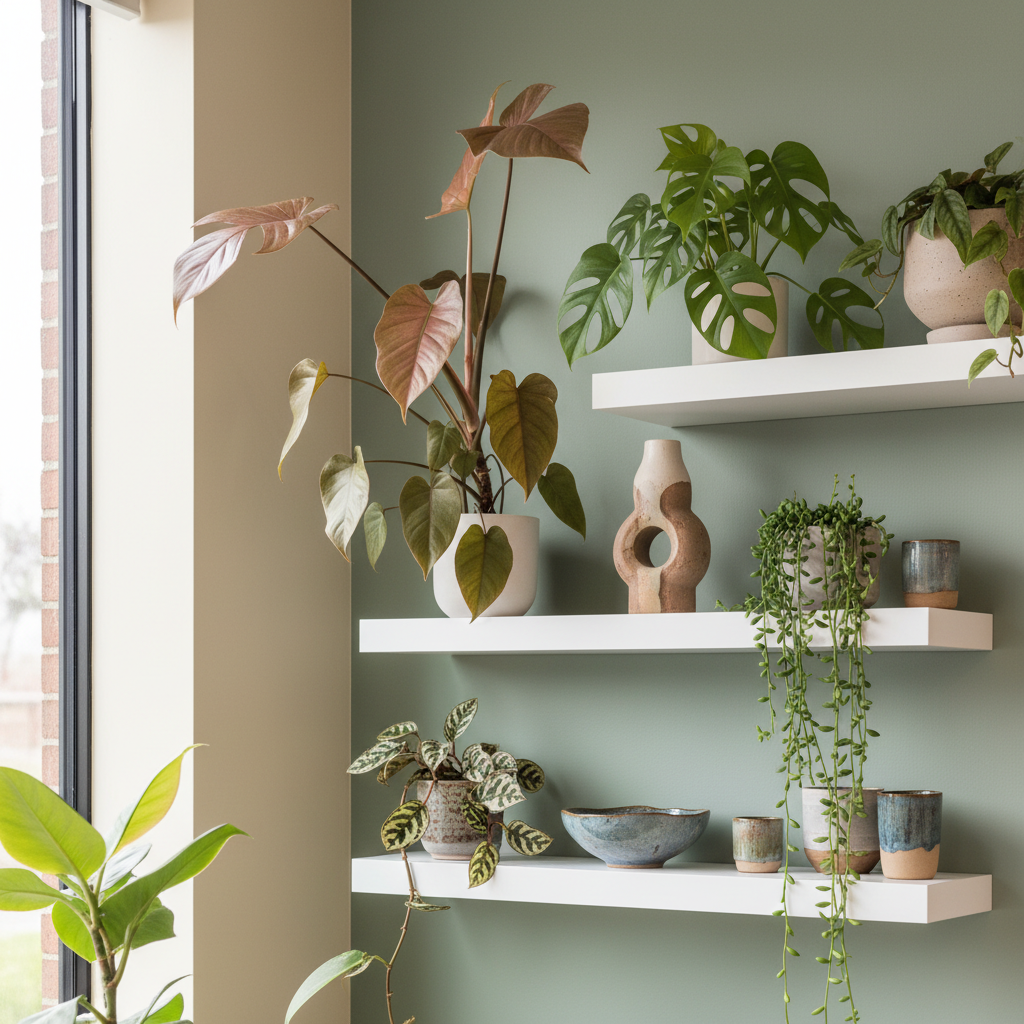
Designing with Nature: How the Right Wall Color Enhances Your Rare Plants and Ceramic Art
Imagine stepping into a room where every element works in harmony, creating a peaceful and inspiring sanctuary. For those of us who cherish rare plants and unique ceramic art, this isn’t just a dream – it’s a design goal. While the plants and pottery themselves are the stars, the backdrop against which they are displayed plays a crucial supporting role. The wall color of your space has an incredible power to transform the atmosphere, highlight intricate details, and truly make your beloved collection sing. It’s about more than just painting a wall; it’s about crafting an immersive experience. And if you’re thinking about a fresh coat of paint to truly set the stage, finding reliable painters near me can be the first step to bringing your vision to life.
The Psychology of Color: Setting the Mood
Colors are more than just visual stimuli; they are silent communicators, deeply influencing our moods, perceptions, and even the way we interact with a space. Think about a vibrant red room versus a calming blue one – the difference in feeling is immediate and profound. When designing a home for your rare plants and ceramic art, understanding this psychology is key to creating an environment that not only looks beautiful but also feels right.
Warm colors like soft yellows, earthy oranges, and rich reds tend to energize a space, making it feel cozy and inviting. However, too much warmth can sometimes overwhelm delicate plants or subtle ceramic glazes. On the other hand, cool colors such as blues, greens, and purples evoke feelings of tranquility and spaciousness. These can be wonderfully soothing backdrops, allowing the natural vibrancy of your plants to truly pop. Muted tones, regardless of their color family, often lend an air of sophistication and allow the intricate details of your collection to take center stage without competition.
Choosing the right color is about finding a balance. Do you want your plant sanctuary to be a vibrant, stimulating space, or a calm, meditative retreat? Your wall color choice will be the foundation for this emotional landscape, setting the stage for how you and your guests experience your cherished collection.
Complementary Colors: Making Your Plants Pop
One of the most effective ways to make your rare plants truly stand out is by using complementary colors on your walls. Think back to the color wheel: colors opposite each other on the wheel create the strongest contrast and visual impact. For plants, which are predominantly green, their complementary colors are reds and pinks. This doesn’t mean you need to paint your walls fire-engine red, but rather consider shades within that spectrum.
Imagine a wall painted in a soft blush pink or a muted terracotta. Against this backdrop, the lush greens of a Philodendron ‘Florida Ghost’ or the deep emerald of a Syngonium ‘Mojito’ will appear incredibly vibrant and rich. Similarly, if your rare plants feature unique variegation with splashes of red, purple, or even bright pink, a wall in a subtle sage green or a light gray-blue can enhance these unique hues beautifully. The contrast doesn’t have to be stark; even a gentle complement can bring out unexpected depth in your foliage.
Furthermore, consider the colors of your plants’ blooms. If you have orchids with striking purple flowers or an Anthurium with brilliant red spathes, a wall in a soft yellow or even a pale orange can create a dynamic and joyful display. The goal is to make the plant itself the focal point, allowing the wall color to serve as an intentional frame that amplifies its natural beauty, drawing the eye directly to its unique characteristics.
Harmonious Hues: Elevating Your Ceramic Art
While complementary colors are fantastic for plants, ceramic art often benefits from a more harmonious approach. Handmade planters and sculptures come in an incredible array of textures, glazes, and forms. The right wall color should enhance these qualities without competing for attention, allowing the artistry of each piece to truly shine.
Neutral backgrounds are often a safe and sophisticated choice for showcasing ceramic art. Shades of white, cream, and various grays provide a clean canvas that allows the form, texture, and subtle color variations of your pottery to become the main focus. A deep charcoal gray, for instance, can provide a dramatic contrast that makes light-colored glazes or delicate porcelain pieces pop with elegance. Conversely, a warm off-white can highlight the earthy tones and natural textures of unglazed terracotta or stoneware, making them feel grounded and organic.
For a more nuanced approach, consider an analogous color scheme. This involves choosing wall colors that are next to each other on the color wheel, creating a cohesive and calming visual flow. If your ceramic collection leans towards cool blues and greens, a wall painted in a soft teal or a muted seafoam green can create a serene and unified display. This approach allows the individual pieces to blend seamlessly while still being distinct, creating an overall impression of thoughtful curation and sophisticated design. The key is to select a wall color that supports the story your ceramic art is telling, rather than shouting over it.
Considering Light: Natural vs. Artificial
The way a wall color appears is profoundly affected by the light in a room. Natural light, which shifts throughout the day, can make the same paint color look completely different in the morning versus the afternoon. For example, a room with abundant natural light from a south-facing window will experience brighter, warmer light, which can intensify warm wall colors and make cool colors appear softer. Conversely, a north-facing room receives cooler, more consistent light, which might make warm colors appear muted and enhance the crispness of cool tones.
Beyond natural light, the type of artificial lighting you use also plays a significant role. Warm light bulbs (with lower Kelvin temperatures, like 2700K) cast a yellowish glow that can make wall colors appear warmer and richer, often enhancing the cozy feel of a space. Cool light bulbs (higher Kelvin temperatures, like 4000K-5000K) emit a bluer, brighter light, which can make colors appear truer to their original shade, sometimes even making them seem crisper or cooler. This is particularly important for plants, as proper lighting is crucial for their health and also affects how their colors are perceived.
When selecting a wall color, it’s vital to consider the dominant light sources in the room. Does the room get a lot of bright morning sun? Is it primarily lit by artificial light in the evenings? Choosing colors that look appealing in all conditions, or specifically for the most common lighting scenario, will ensure your plants and ceramics are always presented in their best light. A color that looks perfect in the bright afternoon sun might appear dull or washed out under evening lamps, so careful observation is key.
Small Spaces, Big Impact: Color Strategies
For those working with smaller spaces, wall color becomes an even more powerful tool to create the illusion of spaciousness and brightness, which is particularly beneficial for plants that thrive on light. Lighter colors, such as soft whites, pale grays, and light pastels, are well-known for making rooms feel larger and more open. These colors reflect light, bouncing it around the room and creating an airy, expansive feel. This is ideal for allowing your rare plants to breathe and for your ceramic pieces to be appreciated without the room feeling cramped or cluttered.
However, small spaces don’t mean you have to shy away from all color. Strategic use of an accent wall can create a focal point and add depth without overwhelming the room. Imagine a single wall painted in a deep, rich teal or a soft, earthy olive green, against which a carefully curated collection of your most striking rare plants and unique handmade planters are displayed. This draws the eye, creates visual interest, and can define a specific “plant zone” within a larger room, making the space feel intentionally designed rather than just decorated.
Another sophisticated strategy for small spaces is to embrace a monochromatic palette. By using varying shades and tints of a single color, you can create a cohesive and harmonious look that feels both unified and spacious. For instance, a room with walls in a very light sage green, complemented by slightly darker green planters and perhaps a ceramic piece with a subtle green glaze, offers a serene and elegant environment. This approach allows the textures and forms of your plants and ceramics to stand out, creating a rich visual experience without making the room feel busy or small.
Testing, Testing: The Importance of Swatches
Choosing a wall color based solely on a small paint chip from the store is a common mistake that can lead to disappointment. A color swatch, no matter how accurate, cannot fully convey how a paint will look once applied to an entire wall. The surrounding light, the size of the room, and even the existing furniture and decor all interact with the paint to create a unique perception of the color. What looks like a serene gray on a tiny chip might appear surprisingly blue or even lavender once it covers a large surface.
The best practice is to paint large swatches directly onto your walls. Purchase sample pots of your top two or three color choices and apply them in generous squares, at least 2×2 feet, on different walls within the room. This allows you to observe how the color changes with the shifting natural light throughout the day and under your artificial lighting at night. It’s a crucial step that helps prevent costly repainting and ensures you’ll be truly happy with your final decision.
Furthermore, don’t just look at the swatches in isolation. Bring your actual rare plants and ceramic pieces into the room and place them near the painted swatches. See how the wall color interacts with the vibrant greens, unique variegations, and varied glazes of your collection. Does it make your favorite ceramic piece pop, or does it diminish its presence? Does it enhance the natural beauty of your plants, or does it clash? This hands-on testing is invaluable for making an informed decision that perfectly complements your living art and creates the harmonious sanctuary you envision.
Conclusion
The journey of designing a space that celebrates your rare plants and unique ceramic art is a deeply personal and rewarding one. As we’ve explored, the wall color you choose is far more than just a background; it’s a powerful design element that can profoundly impact the mood, highlight intricate details, and create a cohesive, inspiring environment. From understanding the psychology of color to strategically employing complementary or harmonious hues, and from considering the interplay of light to testing swatches with your actual collection, every decision contributes to the overall masterpiece.
Ultimately, the goal is to create a living sanctuary where your beloved plants and art can truly thrive and be appreciated. By thoughtfully selecting your wall colors, you’re not just decorating; you’re crafting an experience, a personal gallery that reflects your passion for nature and design. So, take the time to experiment, trust your instincts, and unleash the full potential of your space to beautifully frame your extraordinary collection.
Creating the Ultimate Gardener’s Workspace with Vinyl Sheds
Why Vinyl is a Gardener’s Best Friend
For any avid gardener, the dream is a dedicated space to get your hands dirty, a place where soil, seeds, and tools can live in organized harmony. Finding the right structure is the first step, and that’s where a vinyl shed truly shines. When you check out a Vinyl Shed for sale, you’re investing in a hassle-free haven that resists the common troubles of outdoor structures. Unlike wood, vinyl won’t rot, warp, or fall victim to hungry termites, and it stands up to the elements without the risk of rust that plagues metal sheds. 🌿
The beauty of vinyl extends beyond its rugged durability. These sheds are remarkably low-maintenance, freeing up your precious time for what you love most: gardening! A simple spray with a hose is usually all it takes to keep your workspace looking fresh and clean. This means no annual scraping, painting, or sealing. Your focus can remain on nurturing your plants, not on constant building upkeep.
Planning Your Perfect Potting Paradise
Before you get your shed, think about the three L’s: location, layout, and logistics. Where will your new workspace live? Consider a spot that gets decent natural light if you plan to start seedlings inside. Also, think about its proximity to your garden beds and a water source to save yourself countless trips back and forth with a heavy watering can. A level spot is essential for a stable foundation.
Next, map out the interior. Don’t just think about the floor space; think vertically! How can you use the wall height for storage? Mentally place your potting bench, your tool rack, and your bags of soil. A little bit of planning now prevents a cluttered, frustrating workspace later. It’s all about creating a flow that makes your gardening chores feel less like work and more like play. 🌷
Smart Storage Solutions for Tools and Supplies
A great gardener’s workspace is an organized one. Chaos is the enemy of creativity, so let’s get everything in its right place. Pegboards are a fantastic way to get shovels, trowels, and hand rakes off the floor and onto the walls where you can see them. You can also install simple magnetic strips to hold smaller metal items like pruning shears and snips, keeping them sharp and within easy reach.
For items like soil, compost, and fertilizers, use large, sealed plastic bins. This not only keeps your shed tidy but also protects your supplies from moisture and pests. Clear, labeled containers for seeds, plant markers, and twine will save you from frantic searching. When everything has a home, you can find what you need in a moment and get right back to the joy of planting.
Setting Up an Efficient Potting Bench Area
The potting bench is the heart of your gardening command center. This is where the magic happens! Your bench should be at a comfortable height to prevent back strain while you work. Look for a surface that is durable and easy to clean, like a treated wood or a metal top. A bench with a built-in soil reservoir or a hole to sweep excess dirt into a bin below is a game-changer.
Maximize your bench’s potential with built-in storage. Shelves above the bench are perfect for keeping small pots, watering cans, and your favorite gardening gloves close by. The space underneath is ideal for stashing larger bags of potting mix or buckets. Your bench should be a one-stop-shop for all your potting needs, making the process smooth and enjoyable.
Let There Be Light! Illuminating Your Space
Good lighting can make a world of difference in your gardener’s shed, transforming it from a dark storage closet into a functional workshop. If your vinyl shed has windows or a skylight, you’re already off to a great start! Position your potting bench near a window to take full advantage of the natural light, which is especially helpful for inspecting plants for pests or disease.
Supplement natural light with some smart artificial options. Battery-operated, motion-activated LED puck lights are easy to install and perfect for lighting up dark corners or the area under shelves. For a more robust setup, consider a solar-powered light kit. You get bright, free illumination without the need to run electrical wiring from your house. ☀️
Ventilation for Year-Round Gardening Comfort
A garden shed can get stuffy, especially during warm summer months. Good air circulation is key for both your comfort and the health of any seedlings you might be starting. Many vinyl sheds come with built-in vents, which are great for allowing hot air to escape. If you can, position your shed to allow breezes to flow through when the doors and windows are open.
Proper ventilation also helps control humidity, preventing the growth of mold and mildew on your supplies. Keeping the air fresh ensures your bags of soil and wooden-handled tools stay dry and in good condition. A well-ventilated shed is a healthier, more pleasant space to spend your time, no matter the season.
Personalizing Your Shed to Spark Joy ✨
Your potting shed is more than just a storage unit; it’s your personal retreat. Make it a place that inspires you! Add a splash of color by painting the interior doors or hanging some colorful garden-themed art. A comfortable stool or chair can provide a nice spot to sit and plan your garden layouts while sipping a cup of tea.
Don’t forget the little touches that make the space uniquely yours. Install a small outdoor weather station, hang some wind chimes near the door, or add a small Bluetooth speaker to listen to music or podcasts while you work. Add a few potted plants inside to bring life into the space. When your workspace feels like a true extension of yourself, you’ll find even more happiness in your gardening hobby.
Bringing Nature Indoors: Complement Your Plants with a Branch Chandelier Collection
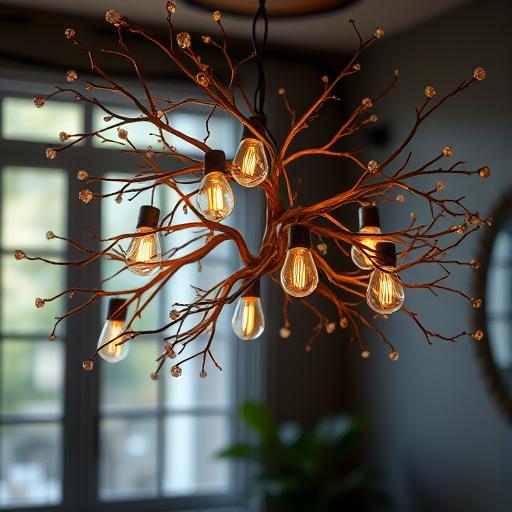
Embracing Biophilic Design: More Than Just Plants
There’s a reason we feel so good after a walk in the woods or a day at the beach. We have a deep, instinctual connection to nature, and bringing elements of the outdoors inside can make our homes feel more like peaceful sanctuaries. This idea, known as biophilic design, is about more than just dotting a few succulents around. It’s about mindfully incorporating natural shapes, materials, and patterns into our living spaces, and a fantastic way to do this is with the right lighting from a branch chandelier collection.
The benefits of this design approach are truly wonderful. Studies show that spaces with natural elements can help reduce stress, boost our mood, and even improve creativity. By pairing your beloved houseplants with decor that mimics the organic forms found in nature, you create a much richer and more immersive environment. It’s about crafting a feeling, a vibe that says “welcome home” and “time to relax.”
Why Branch Chandeliers are the Perfect Match for Your Greenery
So, you’ve curated a beautiful collection of monsteras, fiddle leaf figs, and snake plants. What’s next? A branch chandelier is the ideal counterpart to your indoor jungle. These light fixtures are sculptural pieces of art in their own right, with designs that echo the very tree limbs and root systems your plants would call home in the wild. They don’t just light up a room; they add a layer of texture and organic beauty that feels both dramatic and completely natural. 🌿
The magic happens when you combine these two elements. The soft, living shapes of your plants play beautifully against the structured, artistic form of the chandelier. This pairing creates a powerful visual story, suggesting a forest canopy or a sun-dappled glade right in your living room. It’s a sophisticated way to commit to a nature-inspired theme without it feeling cliché or overdone.
Choosing the Right Branch Chandelier for Your Space
Picking the perfect fixture is a fun part of the process. A key thing to consider is scale. A room with high, vaulted ceilings can handle a large, sprawling chandelier that makes a bold statement, perfectly complementing tall floor plants. For a cozier dining nook or a bedroom, a more delicate, compact branch design will add a touch of whimsy without overwhelming the space.
Next, think about the finish and material. Do you want a rustic, cabin-like feel? Look for fixtures with natural wood or dark iron finishes. If your style is a bit more glam, a metallic gold, brass, or champagne bronze finish can introduce a touch of elegance. The idea is to select a piece that feels like a natural extension of your existing decor, tying everything together seamlessly.
Styling Your Chandelier and Plants Together
Once you have your chandelier, it’s time to play with placement. Hanging a branch chandelier directly above a curated cluster of your favorite plants creates an immediate and stunning focal point. This arrangement draws the eye upwards and establishes a clear “hero” moment in your room’s design. It’s like creating a living art installation.
Don’t forget the supporting cast! Arrange trailing plants like pothos or string of pearls on high shelves or in hanging planters nearby. Their cascading vines can create a lovely interplay with the arms of the chandelier and the light it casts. This creates visual interest and makes the connection between your lighting and your greenery feel intentional and artful. ✨
The Impact of Lighting on Plant Health and Ambiance
Let’s be practical for a moment. A decorative chandelier provides beautiful ambient lighting for you and your guests, but it isn’t a substitute for sunlight or a dedicated grow light for your plants. Be sure to position your green friends where they’ll get the appropriate amount of natural light they need to thrive. Think of your chandelier as the mood lighting for the evening, not the primary food source for your flora.
When the sun goes down, that’s when your branch chandelier truly shines. The warm light filtering through its arms will cast enchanting shadows and highlights on the leaves of your plants. It transforms your space from a bright, airy room into a cozy, intimate retreat. This dual-purpose ambiance is what makes the combination so special. 🌙
Creating a Cohesive Nature-Inspired Theme
Your plants and chandelier are the stars of the show, but every star needs a great supporting cast. To build a truly cohesive theme, introduce other natural materials throughout the room. Think about a jute rug underfoot, linen curtains on the windows, and furniture made from light-colored wood. These elements build on the organic foundation you’ve established.
Personal touches are what make a house a home. Complement your main features with smaller natural accessories. A beautiful piece of driftwood on a coffee table, a collection of smooth river stones on a bookshelf, or framed botanical prints on the wall can all reinforce the theme. The goal is a space that feels collected, personal, and deeply connected to the natural beauty you love.
Maintaining Your Naturalistic Oasis
Keeping your beautiful new fixture looking its best is simple. The main job is regular dusting to prevent buildup, which can dim its lovely glow. A feather duster or a soft microfiber cloth will do the trick. A quick check of the bulbs every so often ensures your oasis is always perfectly illuminated.
Of course, a key part of this look is the health of your plants! A happy, well-cared-for plant collection is the living heart of your design. Stick to a good watering schedule, make sure they have the light they need, and give them a little TLC. Your vibrant greenery and stunning chandelier will work together to keep your home feeling fresh, alive, and beautiful for years to come.
Green Thumbs & Fresh Walls: The Best Paint Hues to Complement Your Houseplants

Why Your Paint Choice Matters for Your Indoor Jungle
You’ve spent time picking the perfect fiddle-leaf fig and finding just the right sunny spot for your succulent collection. But have you considered the color of the walls behind them? The right paint shade can make the vibrant greens of your houseplants pop, creating a cohesive and intentional design that feels both fresh and personal. When you get the combination right, your room feels more alive and put-together, a little slice of paradise you’ve built yourself. To see what shades are currently making waves, check out what the best painters Edmonton are recommending this season.
Choosing a color isn’t just about what looks good on a paint chip; it’s about creating a mood. A thoughtfully selected backdrop can make a room feel bigger, cozier, or more energetic, all while showing off your plant babies to their best advantage. Think of your walls as the frame and your plants as the art. A great frame makes the artwork stand out, and the same principle applies to your home’s interior design. 🌿
Crisp Whites & Off-Whites: The Classic Canvas
There’s a reason why art galleries often have white walls. A clean, crisp white provides a stark contrast that allows the complex shapes and deep greens of your plants to take center stage. From the sculptural leaves of a Monstera Deliciosa to the delicate trails of a Pothos, every detail becomes more pronounced against a pure white background. It’s a timeless choice that feels bright, airy, and effortlessly stylish.
If stark white feels a bit too clinical for your taste, consider an off-white with warm undertones. Shades like cream, ivory, or even a very light greige can offer the same plant-highlighting benefits while making the space feel a little softer and more inviting. These gentle hues create a serene atmosphere, perfect for a calming bedroom or a relaxing living area filled with your favorite green companions. It’s a simple, can’t-go-wrong option for any plant parent.
Earthy Terracottas & Warm Beiges: A Grounded Vibe
To create a space that feels connected to nature, look no further than earthy tones. Terracotta, clay, and warm beige shades evoke a sense of sun-baked earth and desert landscapes. These colors are a natural match for many houseplants, especially those that live in classic terracotta pots. The warm, reddish-brown tones make green foliage appear even more lush and vibrant by comparison. 🏜️
This color family is ideal for creating a cozy, grounded, and slightly bohemian atmosphere. It pairs wonderfully with natural materials like wood, rattan, and jute. Imagine a snake plant or a collection of cacti set against a warm terracotta accent wall. The combination feels organic and deeply comforting, as if you’ve brought a piece of the outdoors right inside your home. It’s a perfect choice for a warm and welcoming living room or study.
Moody Blues & Deep Greens: Creating a Lush Oasis
For a truly dramatic and immersive effect, consider painting your walls a deep, moody color. A dark navy, charcoal blue, or even a forest green can create a stunning backdrop that makes your plants feel like they are part of a rich, dense jungle. These darker shades absorb light, making the room feel intimate and cozy, while the bright green leaves seem to glow against the dark canvas.
A monochromatic look using different shades of green can be particularly effective. Painting your walls in a deep emerald or olive tone creates a seamless, layered effect that envelops the room in calming, natural color. This approach is bold, sophisticated, and turns your plant corner into a genuine statement piece. Don’t be afraid to go dark; the result can be a surprisingly serene and luxurious retreat. 🪴
Soft Pinks & Peachy Tones: A Playful, Bohemian Feel
If your style leans more towards playful and eclectic, soft pinks and peachy hues might be the perfect choice. These colors have a youthful energy and can make a room feel cheerful and bright. Dusty rose, blush pink, or a warm apricot shade provide a beautiful, unconventional background for houseplants, especially those with interesting leaf patterns or reddish undertones, like a Calathea.
This color palette works exceptionally well in spaces where you want to foster creativity and fun, like a home office or a sunny breakfast nook. The warmth of these pink and peach tones brings out the best in green foliage, creating a delightful contrast that is both soft and eye-catching. Pair it with gold accents and light wood furniture for a chic, modern-boho look that feels totally fresh. 🌸
Bold & Sunny Yellows: A Pop of Cheer
Nothing says happiness quite like a splash of yellow. A bright, sunny yellow wall can instantly make a room feel more optimistic and energetic. It’s a bold choice, but it pays off by creating a vibrant contrast with the cool green tones of your houseplants. A cheerful yellow accent wall can be the perfect way to liven up a kitchen or living area.
If a full-on lemon yellow feels too intense, consider a softer mustard or ochre shade. These more muted yellows still provide that happy glow but with a more sophisticated, earthy feel. They pair beautifully with dark green leaves, like those on a ZZ plant or a rubber tree, creating a rich and inviting color scheme that feels both modern and a little bit retro. It’s a guaranteed way to bring sunshine inside, no matter the weather. ☀️
Final Touches: Tying It All Together
Once you’ve picked your perfect paint color, think about the other elements in the room. The color and texture of your plant pots can play a big role in the overall look. Simple white, black, or terracotta pots are classic choices, but you can also introduce complementary colors or metallic finishes through your planters for an extra layer of style.
Also, consider the light in your room. A color that looks one way in the bright morning sun will appear different in the soft light of the evening. Before you commit, always get a paint sample and test it on your wall. See how it looks at different times of day with your plants nearby. This final check ensures you’ll love your new green-and-gorgeous space for years to come.
Biophilic Design at its Best: How to Illuminate Your Indoor Plants with Stunning Modern Chandeliers

Connecting with Nature Indoors: What is Biophilic Design?
Biophilic design is all about integrating natural elements and processes into our built environments. It’s about recognizing our innate human connection to nature and using design principles to nurture that bond within our homes and workspaces. Think more plants, natural light, natural materials, and designs that mimic organic shapes and patterns.
This approach goes far beyond simply putting a potted plant in a corner. It’s a holistic philosophy that aims to create spaces that are not only beautiful but also promote wellbeing, productivity, and a sense of peace by keeping us connected to the outside world. Finding the right elements, like stunning lighting fixtures from a modern light fixtures store, can be a delightful step in this direction!
Why Light Matters for Your Indoor Jungle 🌿
Just like we need sunlight to thrive, our leafy companions rely on light for photosynthesis, their primary source of energy. Insufficient light can lead to stunted growth, pale leaves, and a generally unhappy plant. While natural window light is ideal, it’s often not enough, especially in darker rooms or during shorter winter days.
Supplemental lighting becomes essential for maintaining healthy, vibrant indoor plants, particularly species that require bright, indirect light. The type, intensity, and duration of light all play crucial roles. Getting this right ensures your green friends can flourish and contribute positively to your biophilic space.
Choosing the Right Modern Chandelier ✨
Selecting a modern chandelier for your plant-filled space involves balancing aesthetics with function. Look for designs that complement your existing decor style, whether it’s minimalist, industrial, or something else entirely. Consider the size of the room and the scale of the fixture – you don’t want it to overwhelm the plants or look lost.
Think about the materials and finishes. Modern chandeliers come in various options like sleek metals, glass, or even mixed materials. While the fixture itself provides the style, the bulbs you choose will deliver the crucial light for your plants. We’ll touch on bulbs next, but focusing on a fixture that allows for adjustable height or placement can offer great flexibility.
Placement is Key: Positioning Your Fixture
Where you hang your chandelier is just as important as which one you pick. For optimal plant health, the light source needs to be relatively close to the plants, though the exact distance depends on the light intensity and the plant’s needs. A chandelier centered over a collection of plants on a table or below it on the floor works wonderfully.
Consider the path of natural light in the room. Position your chandelier to supplement the existing light, filling in dark corners or providing illumination during the evening. Hanging it at a height that makes a visual statement while still benefiting the plants requires careful planning, often involving measuring and visualizing before you install.
Harmonizing Style: Chandeliers and Plant Decor
A modern chandelier isn’t just a light source; it’s a design element that can tie your biophilic space together. Pair a geometric metal fixture with plants in minimalist ceramic pots for a contemporary look. Or, choose a chandelier with organic, flowing lines to echo the natural shapes of large-leafed plants.
Consider the overall feeling you want to create. A bold, sculptural chandelier can become a focal point, drawing the eye up and around your plant display. Alternatively, a more understated fixture can blend seamlessly, allowing the plants themselves to be the stars. The goal is a cohesive space where light, plants, and decor work together beautifully.
Beyond the Glow: Practical Considerations
While the look is important, remember the practical side. What type of bulbs will you use? For plant growth, you’ll want bulbs that provide the correct spectrum of light, often full-spectrum LED grow bulbs that fit standard sockets. Ensure the chandelier is compatible with the bulb type you need and can handle the wattage.
Maintenance is another factor. Choose fixtures that are relatively easy to dust and clean, especially since they’ll be near plants which can create some humidity. Also, consider the installation process and whether you’ll need professional help, particularly for heavier fixtures or complex wiring.
The Benefits Stack Up: Beauty, Growth, and Wellbeing
Integrating modern chandeliers into your biophilic design offers multiple rewards. Visually, they add a layer of sophistication and style, turning plant displays into illuminated art pieces. At night, the warm glow highlights your green haven, creating a cozy and inviting atmosphere.
Most importantly, proper lighting supports the health and vitality of your indoor plants, ensuring they grow lush and green. Healthy plants contribute to better air quality and a stronger connection to nature, which in turn can boost mood and reduce stress. It’s a win-win for your home’s aesthetic and your personal wellbeing! 😊
EXCERPT: Bringing the tranquility of nature indoors through biophilic design is a wonderful way to enhance your home. Find the perfect pieces for this blend at a modern light fixtures store.
Biophilic Design at its Best: How to Illuminate Your Indoor Plants with Stunning Modern Chandeliers
Connecting with Nature Indoors: What is Biophilic Design?
Biophilic design is all about integrating natural elements and processes into our built environments. It’s about recognizing our innate human connection to nature and using design principles to nurture that bond within our homes and workspaces. Think more plants, natural light, natural materials, and designs that mimic organic shapes and patterns.
This approach goes far beyond simply putting a potted plant in a corner. It’s a holistic philosophy that aims to create spaces that are not only beautiful but also promote wellbeing, productivity, and a sense of peace by keeping us connected to the outside world. Finding the right elements, like stunning lighting fixtures from a modern light fixtures store, can be a delightful step in this direction!
Why Light Matters for Your Indoor Jungle 🌿
Just like we need sunlight to thrive, our leafy companions rely on light for photosynthesis, their primary source of energy. Insufficient light can lead to stunted growth, pale leaves, and a generally unhappy plant. While natural window light is ideal, it’s often not enough, especially in darker rooms or during shorter winter days.
Supplemental lighting becomes essential for maintaining healthy, vibrant indoor plants, particularly species that require bright, indirect light. The type, intensity, and duration of light all play crucial roles. Getting this right ensures your green friends can flourish and contribute positively to your biophilic space.
Choosing the Right Modern Chandelier ✨
Selecting a modern chandelier for your plant-filled space involves balancing aesthetics with function. Look for designs that complement your existing decor style, whether it’s minimalist, industrial, or something else entirely. Consider the size of the room and the scale of the fixture – you don’t want it to overwhelm the plants or look lost.
Think about the materials and finishes. Modern chandeliers come in various options like sleek metals, glass, or even mixed materials. While the fixture itself provides the style, the bulbs you choose will deliver the crucial light for your plants. We’ll touch on bulbs next, but focusing on a fixture that allows for adjustable height or placement can offer great flexibility.
Placement is Key: Positioning Your Fixture
Where you hang your chandelier is just as important as which one you pick. For optimal plant health, the light source needs to be relatively close to the plants, though the exact distance depends on the light intensity and the plant’s needs. A chandelier centered over a collection of plants on a table or below it on the floor works wonderfully.
Consider the path of natural light in the room. Position your chandelier to supplement the existing light, filling in dark corners or providing illumination during the evening. Hanging it at a height that makes a visual statement while still benefiting the plants requires careful planning, often involving measuring and visualizing before you install.
Harmonizing Style: Chandeliers and Plant Decor
A modern chandelier isn’t just a light source; it’s a design element that can tie your biophilic space together. Pair a geometric metal fixture with plants in minimalist ceramic pots for a contemporary look. Or, choose a chandelier with organic, flowing lines to echo the natural shapes of large-leafed plants.
Consider the overall feeling you want to create. A bold, sculptural chandelier can become a focal point, drawing the eye up and around your plant display. Alternatively, a more understated fixture can blend seamlessly, allowing the plants themselves to be the stars. The goal is a cohesive space where light, plants, and decor work together beautifully.
Beyond the Glow: Practical Considerations
While the look is important, remember the practical side. What type of bulbs will you use? For plant growth, you’ll want bulbs that provide the correct spectrum of light, often full-spectrum LED grow bulbs that fit standard sockets. Ensure the chandelier is compatible with the bulb type you need and can handle the wattage.
Maintenance is another factor. Choose fixtures that are relatively easy to dust and clean, especially since they’ll be near plants which can create some humidity. Also, consider the installation process and whether you’ll need professional help, particularly for heavier fixtures or complex wiring.
The Benefits Stack Up: Beauty, Growth, and Wellbeing
Integrating modern chandeliers into your biophilic design offers multiple rewards. Visually, they add a layer of sophistication and style, turning plant displays into illuminated art pieces. At night, the warm glow highlights your green haven, creating a cozy and inviting atmosphere.
Most importantly, proper lighting supports the health and vitality of your indoor plants, ensuring they grow lush and green. Healthy plants contribute to better air quality and a stronger connection to nature, which in turn can boost mood and reduce stress. It’s a win-win for your home’s aesthetic and your personal wellbeing! 😊