
Month: April 2026
Design Without Borders: Finding Global Artistic Inspiration from Your Local Studio
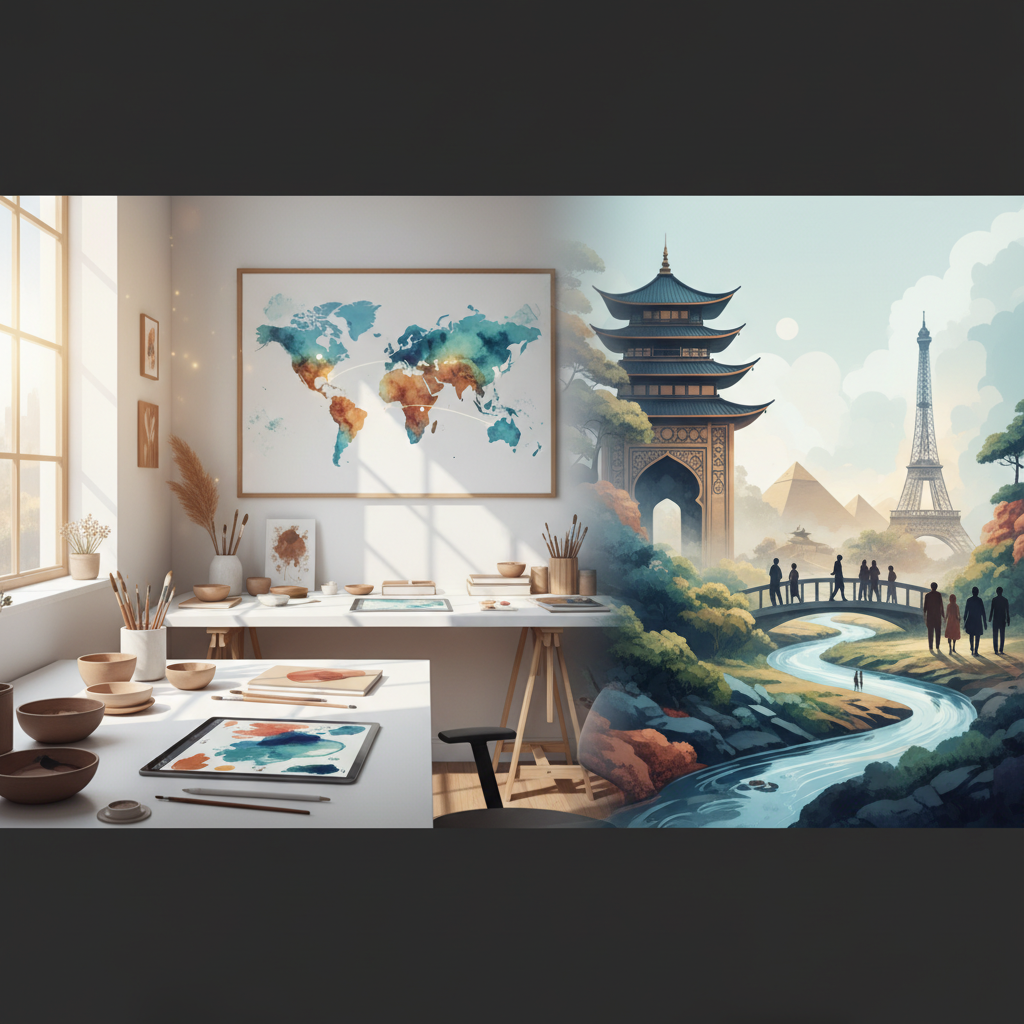
Design Without Borders: Finding Global Artistic Inspiration from Your Local Studio
In the modern creative world, the walls of a small studio no longer define the limits of our imagination. As artists working with earth and flora, we are constantly searching for ways to bridge the gap between our local environment and the vast, diverse beauty of the world outside. For many of us, staying connected to global culture and design trends is essential, whether that means browsing international galleries or finding comfort in familiar media like svt play utomlands to draw inspiration from Swedish minimalism and Scandinavian nature documentaries while living elsewhere. This digital window allows us to infuse our handmade planters and rare plant collections with a sense of wanderlust, proving that true artistic inspiration knows no geographical boundaries. By looking beyond our immediate surroundings, we can create pieces that resonate with a global audience while maintaining the intimate touch of a local craft.
The concept of design without borders is especially relevant today as we seek to create spaces that feel both personal and worldly. For a studio specializing in rare plants and ceramics, this means looking at how different cultures interact with nature. It involves studying the way light hits a leaf in a tropical rainforest or how a potter in a remote village uses local minerals to create a unique glaze. When we bring these international perspectives into our workspace, we are not just making products; we are telling stories that span continents. This approach enriches our creative process and helps us produce work that feels timeless and sophisticated.
The Digital Window: Accessing the World from Your Desk
The internet has fundamentally changed how we gather visual information. In the past, an artist might have needed to travel for months to see the intricate patterns of Moroccan tile or the stark beauty of Japanese rock gardens. Today, we have high-definition access to the world’s most beautiful landscapes and art collections at our fingertips. Social media platforms, digital museum archives, and international streaming services provide a constant stream of visual stimuli. For a ceramicist, this might mean watching a video of a traditional Korean moon jar being thrown, or for a botanist, it might mean studying the native habitat of a rare Monstera species through a virtual tour of a botanical garden in South America.
Furthermore, these digital tools allow us to observe how design trends evolve in real-time across different time zones. We can see how a minimalist aesthetic is being interpreted in Stockholm versus how a maximalist, jungle-inspired vibe is taking over interiors in Brazil. By absorbing these diverse influences, we can synthesize them into something entirely new. This cross-pollination of ideas is what keeps the world of plant and ceramic design exciting and fresh. It prevents our work from becoming stagnant and encourages us to experiment with forms and textures we might never have considered otherwise.
In addition to visual inspiration, the digital age offers a wealth of technical knowledge. We can learn about ancient firing techniques or innovative plant care methods from experts on the other side of the planet. This shared global knowledge base empowers us to improve our craft and push the boundaries of what is possible in a small studio setting. When we combine traditional local techniques with global innovations, we create a unique artistic voice that is both grounded and expansive.
Cultural Fusion in Ceramic Art
Ceramics is one of the oldest art forms in human history, and every culture has developed its own unique relationship with clay. When we design planters in our studio, we often look to these diverse traditions for inspiration. For instance, the Japanese philosophy of Wabi-sabi, which finds beauty in imperfection and transience, is a major influence on our handmade pots. By embracing the natural irregularities of the clay and the unpredictable nature of the kiln, we create pieces that feel organic and alive. This international philosophy helps us appreciate the “happy accidents” that occur during the making process, resulting in planters that have a soul and a story.
On the other hand, we might draw from the vibrant colors and bold geometric patterns found in Mediterranean or Mexican pottery. These traditions celebrate the warmth of the sun and the richness of the earth. By incorporating warm terracotta tones and hand-painted motifs, we can bring a sense of distant shores to a local living room. This fusion of styles—perhaps a Wabi-sabi shape with a Mediterranean-inspired glaze—creates a sophisticated look that fits perfectly into modern, eclectic homes. It allows the customer to feel a connection to the wider world every time they look at their favorite plant.
The Importance of Texture and Material
Texture plays a vital role in how we perceive global design. A smooth, matte finish might evoke the cool, calm atmosphere of a Nordic winter, while a rough, sandy texture might remind us of the vast deserts of the Middle East. In our studio, we experiment with adding different types of sand, grog, and minerals to our clay bodies to mimic these global landscapes. This tactile experience is a key part of “Design Without Borders,” as it allows the user to feel a connection to a specific part of the world through touch. When a planter feels like a piece of weathered stone from a distant mountain range, it adds a layer of depth to the indoor gardening experience.
Moreover, the choice of glaze can further enhance this global feel. We often develop our own glazes that are inspired by natural phenomena, such as the deep blues of the deep ocean or the iridescent greens of a beetle’s wing. By studying the chemistry of minerals from around the world, we can recreate these colors in our kiln. This scientific approach to art allows us to bring the palette of the entire planet into our local studio, ensuring that every piece we create is a tribute to the earth’s natural beauty.
Rare Plants as Living Souvenirs
Plants are perhaps the ultimate symbols of a world without borders. Many of the species we grow and sell in our studio have traveled thousands of miles from their native habitats. A rare Anthurium from the misty cloud forests of Ecuador or a sculptural succulent from the arid plains of Madagascar brings a piece of that environment into our homes. As designers, we see these plants as living sculptures that dictate the form and function of the planters we create. The relationship between the plant and its pot is a dialogue between biology and art.
When we work with rare plants, we must understand their origin to help them thrive. This research often leads us down a rabbit hole of geographical and botanical discovery. We learn about the specific soil compositions, humidity levels, and light patterns of distant lands. This knowledge not only helps us provide better care instructions for our customers but also inspires the design of our ceramic vessels. For example, a plant that grows on the sides of cliffs might look best in a tall, slender pot that mimics its natural verticality. By designing with the plant’s heritage in mind, we create a more authentic and harmonious display.
Additionally, the rarity of certain plants adds an element of exclusivity and wonder to our collection. These botanical treasures serve as conversation starters, allowing us to share stories about biodiversity and conservation with our community. When a customer takes home a rare specimen, they aren’t just buying a plant; they are becoming a steward of a piece of global natural history. This connection to the wider world fosters a sense of responsibility and appreciation for the planet’s incredible variety of life.
The Color Palette of Global Landscapes
Color is one of the most powerful tools in a designer’s arsenal, and the global landscape offers an infinite palette to choose from. When we are stuck in a creative rut, we often look to the colors of different regions to spark new ideas. The muted greys and greens of the Scottish Highlands can inspire a collection of minimalist, atmospheric planters. Conversely, the vivid pinks and oranges of a sunset over the Sahara can lead to a series of bold, high-contrast glazes. By stepping outside our local color norms, we can create work that stands out and captures the imagination.
Using color to evoke a sense of place is a subtle but effective way to implement global design. It allows us to create moods within a space. A collection of deep forest green planters can turn a corner of a room into a lush, tropical sanctuary, while a set of dusty, sun-baked clay pots can create a warm, desert-like atmosphere. This ability to transport the viewer to another place through color is a hallmark of thoughtful, globally-inspired design. It shows that we are paying attention to the world around us and translating those observations into our work.
Furthermore, we consider how colors interact with the plants themselves. The silver-blue foliage of a Eucalyptus plant might be enhanced by a dark charcoal pot, while the bright neon green of a Philodendron might pop against a crisp white glaze. By looking at how colors occur in nature across the globe, we can make more informed decisions about our own color combinations. This results in a more cohesive and visually stunning product line that appeals to a wide range of tastes and interior styles.
Curating a Global Mood Board in Your Studio
Creating a space that fosters global inspiration requires intentionality. In our studio, we maintain a physical and digital mood board that is constantly evolving. This board is a collage of textures, colors, and images from all over the world. We might have a photo of a mossy stone from a Japanese temple next to a fabric swatch from a West African market. These seemingly unrelated items often spark the most creative ideas when viewed together. It encourages us to find the common threads that connect different cultures and environments.
We also find inspiration in the objects we surround ourselves with. Collecting small mementos from our travels—or even from local antique shops that carry international items—can provide a constant source of creative energy. A hand-carved wooden tool or a piece of sea glass from a distant beach can serve as a reminder of the vastness of the world. These objects ground us while also reminding us to keep our eyes open to new possibilities. They act as anchors for our creativity, helping us stay focused on our mission to bring global beauty into the local home.
Finally, we make it a point to engage with other artists and designers from different backgrounds. Whether through online forums, local workshops, or international collaborations, these interactions challenge our assumptions and broaden our horizons. Hearing how someone else approaches a similar creative problem can be incredibly enlightening. It reminds us that while our studios may be local, our community is global. By sharing ideas and supporting one another, we contribute to a vibrant, borderless world of art and design.
Conclusion
Design without borders is more than just a trend; it is a mindset that celebrates the interconnectedness of our world. By seeking inspiration from global cultures, landscapes, and digital media, we can elevate our local craft to something truly extraordinary. For our plant and ceramic studio, this journey of discovery is what keeps us passionate about what we do. It allows us to create handmade planters and curate rare plant collections that are not only beautiful but also deeply meaningful. When we look beyond our own borders, we find a world of endless artistic possibilities waiting to be explored.
Ultimately, the goal of our work is to bring a piece of that global magic into your daily life. Whether it is through the earthy texture of a hand-thrown pot or the exotic beauty of a rare tropical leaf, we hope our designs inspire you to look at the world with fresh eyes. In a world that can sometimes feel divided, art and nature have the power to bring us together, reminding us that we all share the same beautiful planet. By embracing global inspiration from our local studio, we are proud to contribute to a more beautiful, diverse, and connected world, one plant and one planter at a time.