
Day: March 7, 2026
Studio Essentials: Why a Secure Roof is the Foundation of a Thriving Indoor Garden
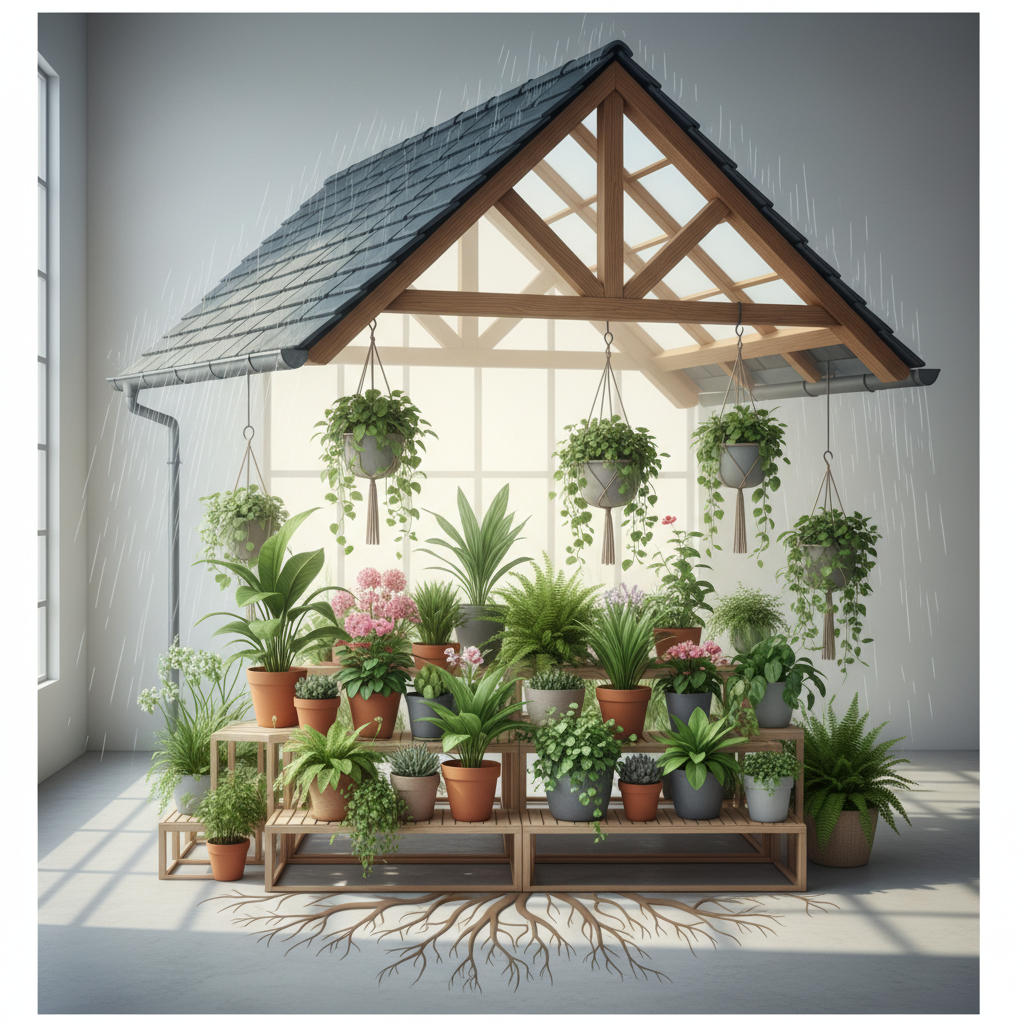
Studio Essentials: Why a Secure Roof is the Foundation of a Thriving Indoor Garden
Walking into a sun-drenched studio filled with the lush greenery of rare Monsteras and the earthy scent of fresh clay is a dream for many creators and plant enthusiasts. However, that dream can quickly turn into a nightmare if the building protecting your collection isn’t structurally sound. When we think about studio essentials, we often focus on high-end grow lights, expensive potting mixes, or professional-grade pottery wheels, but the most critical component is actually right above your head. Ensuring your creative space is protected by a reliable team like Platinum Roofing & Construction is the first step in building a sustainable, thriving indoor sanctuary that lasts for years to come.
For those of us who specialize in rare plants and handmade ceramic design, the environment is everything. A single leak or a structural weakness in the roof can compromise the delicate microclimate we work so hard to maintain. Indoor gardening is an art form that requires precision, and that precision starts with a secure, weather-tight envelope. If you are investing hundreds or even thousands of dollars into rare botanical specimens, you owe it to your collection to ensure the roof over their heads is as resilient as the plants themselves.
In this guide, we will explore why roofing is the unsung hero of the indoor garden and ceramic studio. From regulating temperature and humidity to protecting your artistic investments, a high-quality roof is the ultimate foundation for any thriving indoor ecosystem. Let’s dive into why your overhead protection should be your top priority this season.
Creating and Maintaining the Perfect Microclimate
Rare plants, especially tropical varieties like Variegated Alocasia or Philodendron Spiritus Sancti, are incredibly sensitive to their surroundings. They require specific humidity levels and consistent temperatures to push out those stunning, oversized leaves we all love. A roof that is aging or poorly insulated acts as a thermal bridge, allowing heat to escape in the winter and seep in during the summer. This creates wild temperature swings that can stress your plants, leading to leaf drop or stunted growth. When your roof is in peak condition, it acts as a thermal barrier, making it much easier for your HVAC system or humidifiers to keep the air exactly where it needs to be.
Beyond temperature, moisture control is a major factor in plant health. A roof with minor leaks might not seem like a big deal at first, but even a small amount of intruding rainwater can drastically alter the humidity in a localized area. This can lead to fungal outbreaks or root rot, especially in a studio where plants are grouped closely together. By maintaining a secure roof, you are essentially sealing your “grow box” from the unpredictable elements outside, giving you total control over the life-giving air your plants breathe every day.
Furthermore, the materials used in your roofing system can impact the overall health of your studio. Modern roofing solutions offer better ventilation options that allow for proper air exchange. Stagnant air is the enemy of a thriving indoor garden, as it encourages pests like spider mites and mealybugs. A well-designed roof works in tandem with your studio’s ventilation to ensure that fresh air circulates properly, keeping your rare foliage vibrant and pest-free.
Protecting Your Artistic and Botanical Investments
If you are a ceramicist or a collector of rare plants, your studio is likely filled with significant financial and emotional investments. Handmade planters take dozens of hours to throw, dry, fire, and glaze. Rare plants take years to mature and propagate. A single heavy rainstorm paired with a compromised roof can cause catastrophic damage in minutes. Water dripping onto a shelf of bone-dry greenware can cause pieces to collapse or crack, ruining weeks of hard work before they even reach the kiln. For a professional artist, this isn’t just a nuisance; it is a loss of income.
The same logic applies to your botanical collection. Many rare plants are susceptible to “edema” or leaf spotting if they are hit with cold, unfiltered rainwater from a ceiling leak. Moreover, if water gets into your electrical systems—which are often extensive in studios using grow lights and fans—you risk a fire or a total power failure. Protecting your equipment, your art, and your plants requires a proactive approach to home and studio maintenance. It is much more cost-effective to invest in a roof inspection than it is to replace a collection of rare Aroids or a damaged electric kiln.
Think of your roof as an insurance policy for your creativity. When you know the structure is sound, you can fill your space with the things you love without the constant fear of the next big storm. A sturdy roof provides the peace of mind necessary to focus on your craft, whether that is painting delicate glazes onto a new ceramic series or carefully acclimating a new shipment of rare cuttings from overseas.
The Hidden Dangers of Moisture and Mold
One of the most insidious threats to an indoor garden and ceramic studio is mold. In an environment that is already naturally humid due to plant transpiration and clay work, any additional moisture from a roof leak can trigger a mold explosion. Mold doesn’t just damage the walls and ceiling of your studio; it can settle on your plants, causing powdery mildew or botrytis. Even worse, mold spores in a confined creative space can lead to respiratory issues for the artist, making the studio an unsafe place to work.
If you notice any signs of water damage, such as yellowing ceiling tiles, a musty odor, or peeling paint, it is vital to contact a professional immediately. For those living in the Florida area, where humidity and heavy rains are a daily reality, having a local expert you can trust is essential. You can find highly-rated professionals by checking out Platinum Roofing & Construction. Their team understands the unique challenges that coastal weather poses to local structures and can help you identify hidden leaks before they become a full-blown mold crisis.
Early detection is the key to saving your studio. A professional roofer can use thermal imaging or moisture meters to find where water is entering the building, often in places that aren’t visible to the naked eye. By addressing these issues early, you protect the structural integrity of your studio and ensure that your air quality remains high for both you and your plants. Never underestimate the damage a “small” leak can do when left unchecked in a humid environment.
Structural Integrity and the Weight of a Garden
Indoor gardens are surprisingly heavy. When you factor in the weight of large ceramic pots, gallons of water, and the plants themselves, your studio floor and walls are under a lot of stress. However, many plant lovers also utilize vertical space by hanging heavy planters from the ceiling or roof joists. If your roof structure has been weakened by rot or water damage, it may not be able to safely support the weight of your hanging garden. A secure roof isn’t just about keeping water out; it’s about the structural strength of the entire building.
When a roof leaks, the water often travels along the rafters, soaking the wood and causing it to soften over time. This structural decay can happen silently behind your drywall. If you are hanging heavy, handmade ceramic pots filled with wet soil from these rafters, you are putting a significant amount of strain on a compromised system. A professional roofing contractor can ensure that your decking and rafters are in good condition, giving you the confidence to hang your favorite trailing plants like Hoya or Pothos without worry.
Additionally, if you are considering installing skylights to boost the natural light for your plants, the integrity of your roof is paramount. Skylights are fantastic for indoor gardens, but they require a perfect seal and a strong surrounding structure to prevent leaks. Consulting with a construction expert ensures that any modifications you make to bring in more light won’t compromise the safety of your studio. A strong roof allows you to expand your garden vertically and creatively, making the most of every square inch of your space.
Energy Efficiency for the Modern Plant Parent
Sustainability is a core value for many of us in the plant and ceramic community. We strive to use eco-friendly soils, recycle our clay, and minimize our carbon footprint. An old, inefficient roof can lead to massive energy waste as your heating and cooling systems struggle to fight against the outside temperature. By upgrading to modern roofing materials with high reflectivity and superior insulation, you can significantly reduce your studio’s energy consumption. This not only helps the planet but also lowers your monthly utility bills, leaving more room in the budget for that rare plant you’ve been eyeing.
For example, “cool roofing” materials are designed to reflect more sunlight and absorb less heat than standard shingles. In a sunny climate, this can keep your studio several degrees cooler during the peak of the day. For your plants, this means fewer instances of heat stress and less frequent watering. For your ceramics, it means a more stable drying environment, which reduces the risk of warping in your clay pieces. Energy efficiency and environmental stability go hand-in-hand when it comes to high-level indoor gardening.
Furthermore, a well-insulated roof helps maintain the “dew point” within your studio. When warm, moist air from your plants hits a cold, poorly insulated ceiling, condensation forms. This condensation can drip back down onto your plants and furniture, creating a mess and encouraging rot. Proper insulation provided by a professional roofing job ensures that your ceiling stays at a consistent temperature, preventing condensation and keeping your studio dry and comfortable year-round.
Conclusion: Build Your Sanctuary on a Solid Foundation
Creating a thriving indoor garden and a productive ceramic studio is a journey of passion and patience. We spend so much time focusing on the details of soil pH, glaze chemistry, and light cycles that it is easy to forget the bigger picture. Your studio is an ecosystem, and like any ecosystem, it needs a strong, protective shell to survive. A secure roof is not just a home improvement project; it is an essential piece of equipment for any serious indoor gardener or artist.
If you want to ensure your studio remains a safe haven for your rare plants and handmade creations, don’t wait for a storm to tell you there’s a problem. Take the time to inspect your roof and invest in professional repairs when necessary. We highly recommend reaching out to the experts at Platinum Roofing & Construction for a comprehensive evaluation of your space. Their commitment to quality and local expertise makes them the perfect partner for protecting your creative sanctuary. By securing the foundation of your studio today, you are ensuring a lush, green, and inspired tomorrow.